


Get A Quote
In industrial production lines, commercial kitchens, and building heating systems, gas burners are often treated as “always-on” components—expected to deliver stable combustion without interruption. However, in real operating environments, flame failure is far more common than many operators anticipate. A seemingly minor flame instability can quickly escalate into production downtime, energy waste, or even safety incidents if left unresolved.
From years of field maintenance experience across industrial burners, thermal processing systems, and commercial heating units, most flame failures can be traced back to a limited set of recurring issues. The key is not just identifying the cause, but understanding how these failures develop over time and how to intervene before they affect system performance.
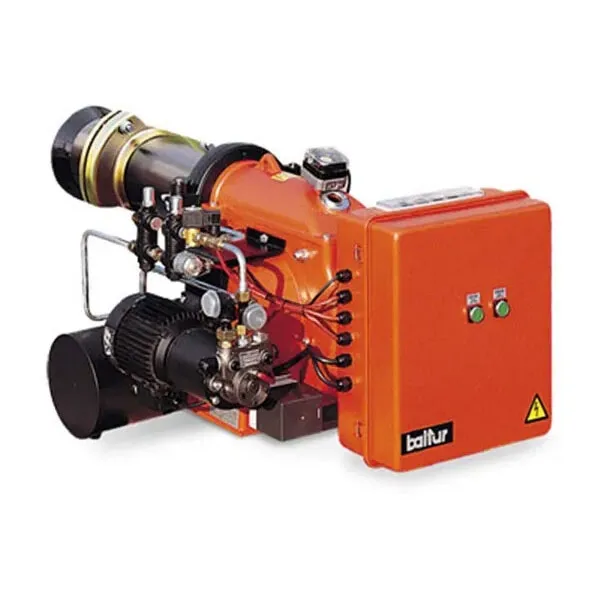
This guide breaks down five of the most common causes of gas burner flame failure, along with practical troubleshooting steps and preventive strategies that maintenance teams can apply immediately.
1. Burner Nozzle Contamination: The Overlooked Performance Killer
In real-world operating conditions, burner nozzles are constantly exposed to airborne dust, oil residues, and combustion byproducts. Over time, these contaminants accumulate inside the nozzle orifices, subtly altering the gas flow pattern.
Unlike sudden mechanical failures, nozzle clogging is gradual. Operators may initially notice unstable flames, uneven heat distribution, or delayed ignition. If ignored, the restricted gas flow eventually leads to incomplete combustion or total flame loss.
What actually happens:
Gas flow becomes turbulent instead of laminar
Fuel-air mixing efficiency drops
Flame becomes weak, yellow, or intermittent
Field-proven solution:
Instead of occasional cleaning, high-performance facilities implement scheduled nozzle maintenance cycles based on operating hours, not failure events. Using improper tools (like hard metal probes) can damage precision orifices, so manufacturer-approved cleaning kits are strongly recommended.
Practical insight:
In high-dust environments such as food processing plants or metal workshops, nozzle contamination can occur 2–3 times faster than standard estimates.
2. Gas Supply Instability: Pressure Fluctuation and Hidden System Losses
Stable combustion depends heavily on consistent gas pressure. Even minor fluctuations—often undetectable without instruments—can disrupt flame stability.
Many operators assume gas issues only occur when supply stops completely. In reality, partial pressure drops or intermittent fluctuations are far more common and harder to diagnose.
Typical root causes include:
Aging or improperly calibrated pressure regulators
Micro-leaks in gas pipelines
Condensation or debris inside gas lines
Inconsistent upstream supply (common in shared industrial systems)
Why this matters:
An unstable gas supply affects the air-fuel ratio in real time, leading to:
Flame lifting or blow-off
Delayed ignition
Increased fuel consumption
Recommended approach:
Install inline pressure gauges or digital monitoring systems at critical points. For industrial applications, integrating pressure monitoring into a PLC system allows early detection of abnormal fluctuations before flame failure occurs.
Engineering insight:
Many recurring flame failures are not burner defects but system-level gas delivery inconsistencies.
3. Ignition System Degradation: Small Components, Big Impact
Modern burners rely on ignition systems that must perform reliably under high temperatures, vibration, and frequent cycling. Over time, ignition components degrade—even if they appear visually intact.
Common issues observed on-site:
Carbon buildup on ignition electrodes
Electrode misalignment due to vibration
Insulation breakdown causing weak spark generation
Incorrect electrode gap settings
Operational symptoms:
Intermittent ignition
Delayed flame formation
Repeated ignition attempts before successful startup
Effective troubleshooting:
Routine inspection should go beyond visual checks. Measuring spark strength and electrode gap precision is critical. Even a small deviation from manufacturer specifications can significantly reduce ignition reliability.
Best practice:
For high-cycle burners, replace ignition components proactively based on usage cycles rather than waiting for failure.
4. Airflow Imbalance: The Hidden Factor Behind Incomplete Combustion
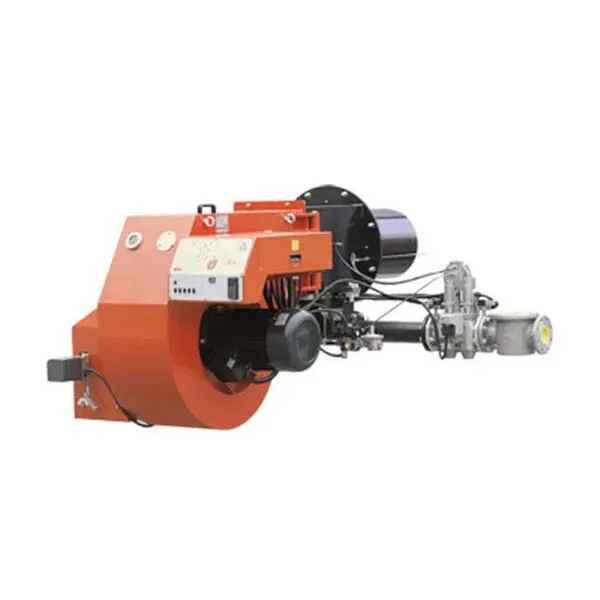
Combustion efficiency depends on a precise balance between gas and air. While gas supply often receives attention, airflow issues are frequently underestimated.
Restricted or imbalanced airflow leads to incomplete combustion, which not only destabilizes the flame but also increases emissions and energy consumption.
Typical causes include:
Blocked or dirty air intake filters
Fan performance degradation
Improper damper settings
Poor ventilation design in enclosed environments
Real-world impact:
Flame becomes unstable or extinguishes under load
Soot formation increases
Heat output becomes inconsistent
Corrective action:
Conduct periodic airflow testing and calibration, especially in industrial systems where operating conditions vary. Cleaning intake systems and ensuring proper ventilation pathways can significantly improve combustion stability.
Key takeaway:
Airflow issues often develop silently and only become visible when flame failure occurs.
5. Flame Sensor or Thermocouple Failure: Safety System or False Shutdown?
Flame sensors and thermocouples are designed as safety devices, but when they malfunction, they can shut down a perfectly functioning burner.
These components detect whether a flame is present and signal the system to keep the gas valve open. If the sensor fails to detect the flame correctly, the system interprets it as a safety risk and cuts off gas supply.
Common failure triggers:
Carbon or grease buildup on the sensor
Sensor misalignment relative to the flame
Electrical signal degradation
Component aging
Symptoms in operation:
Burner ignites but shuts off within seconds
Repeated flame failure alarms despite visible flame
Recommended fix:
Cleaning and realignment often solve the issue. However, if signal instability persists, replacing the sensor is the safest option.
Important note:
Ignoring sensor-related issues can lead to unnecessary downtime or unsafe manual overrides.
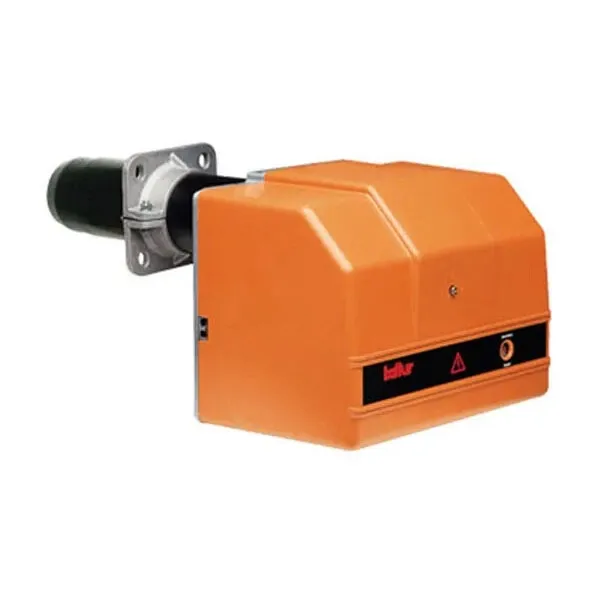
From an operational perspective, reactive troubleshooting is costly. The most efficient facilities treat flame stability as a managed parameter, not a reactive issue.
A structured preventive maintenance strategy should include:
Routine component inspections based on operating hours
Scheduled cleaning cycles for nozzles and air systems
Continuous monitoring of gas pressure and airflow
Documentation of failure patterns to identify recurring issues
Periodic system calibration to maintain optimal combustion ratios
Facilities that adopt these practices typically see:
Reduced unplanned downtime
Lower energy consumption
Extended equipment lifespan
Improved safety compliance
Gas burner flame failure is rarely a random event. In most cases, it is the result of gradual system degradation—whether in fuel delivery, ignition, airflow, or sensing components.
By shifting from reactive repairs to predictive maintenance, operators can significantly improve system reliability and operational efficiency. More importantly, early intervention reduces safety risks and prevents minor issues from escalating into costly failures.
For facility managers and engineers, the goal is not just to fix flame failure when it happens, but to build a system where it rarely occurs in the first place.
Address: Room 504, Building 11, Wuzhou International Industrial Expo City, Old National Highway 310, Xigong District, Luoyang City, Henan Province
E-mail: shuxin@sxburner.com
Phone: +86 15516359168
Take every customer request seriously.
Shuxin
Electromechanical
+86 15516359168
shuxin@sxburner.com
Room 504, Building 11, Wuzhou International Industrial Expo City, Old National Highway 310, Xigong District, Luoyang City, Henan Province
+86 15516359168
shuxin@sxburner.com
Room 504, Building 11, Wuzhou International Industrial Expo City, Old National Highway 310, Xigong District, Luoyang City, Henan Province