


Get A Quote
Industrial oil burners play a critical role in maintaining consistent heat output for manufacturing processes, boiler systems, and energy-intensive operations. However, flame failures are a recurring issue that can lead to costly downtime, equipment damage, and safety hazards. Understanding how to identify, diagnose, and prevent these failures is essential for maintenance teams and plant managers aiming to optimize performance and ensure operational reliability. This article focuses on troubleshooting common industrial oil burner flame failures, providing actionable insights based on practical experience and engineering best practices.
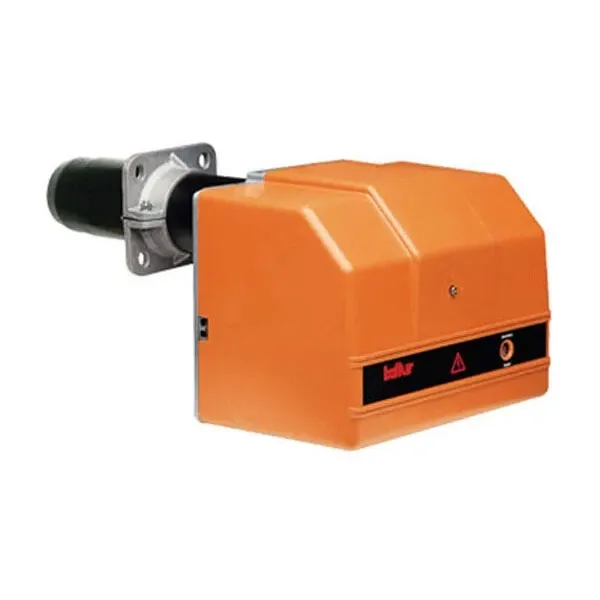
Flame failure occurs when the burner ignites fuel but the flame does not sustain, leading to the burner shutting down or repeatedly attempting ignition. Common signs of flame failure include unusual burner shutdowns, visible smoke, inconsistent heat output, and error codes on control panels. The causes are multifaceted, often involving mechanical, electrical, or fuel-related issues. Proper troubleshooting requires a structured approach to pinpoint the root cause and implement corrective measures efficiently.
One of the primary sources of flame failures in industrial oil burners is fuel-related problems. Poor fuel quality, contamination, or incorrect viscosity can disrupt proper atomization, preventing the formation of a stable flame. Additionally, fuel supply interruptions caused by clogged filters, blocked fuel lines, or malfunctioning pumps often result in incomplete combustion. Technicians should regularly inspect the fuel system, replace filters on schedule, and verify the viscosity and purity of the oil. Using fuel with specifications recommended by the manufacturer can significantly reduce the incidence of flame failures.
A second common cause of flame failures relates to the air-fuel mixture. Burners require precise air intake to achieve optimal combustion. If the air supply is insufficient due to blocked ducts, dirty air filters, or faulty fans, the flame may become weak or extinguish entirely. Conversely, excessive air can cool the combustion zone, leading to flame instability. Maintenance personnel should ensure that the burner’s airflow settings are calibrated correctly and that the combustion chamber is free of soot or debris that might obstruct airflow. Periodic testing with combustion analyzers helps maintain the correct air-to-fuel ratio and ensures energy-efficient operation.
Industrial oil burners rely on a combination of electrical components, sensors, and ignition devices to start and maintain the flame. Faulty ignition electrodes, defective transformers, loose wiring, or malfunctioning flame detectors can all trigger flame failure. When troubleshooting, technicians should systematically check the ignition system, verify proper spark generation, and test safety interlocks. Replacing worn electrodes and repairing damaged wiring promptly can prevent repeated flame failure incidents and maintain system safety.
The burner nozzle is critical for atomizing the fuel into a fine spray that can ignite reliably. Over time, nozzles may become clogged, eroded, or misaligned, leading to poor spray patterns and unstable flames. Technicians should regularly clean and inspect nozzles, using manufacturer-approved tools and procedures. In cases where nozzle wear is significant, timely replacement ensures that the burner achieves uniform combustion and minimizes unburned fuel emissions.
Industrial oil burners operate under varying environmental conditions, which can influence flame stability. Drafts, temperature fluctuations, and high ambient humidity can impact ignition and combustion. In addition, frequent cycling of the burner or rapid load changes may challenge the system’s ability to sustain a stable flame. Implementing proper enclosure designs, maintaining consistent fuel temperatures, and minimizing abrupt load changes help reduce the risk of flame failures caused by external conditions.
While troubleshooting, safety must be a top priority. Flame failures can produce unburned fuel that poses fire or explosion risks. Maintenance personnel should follow strict lockout-tagout procedures, ensure adequate ventilation, and use personal protective equipment during inspections. Preventive maintenance programs are equally important. Scheduled inspections, cleaning of burners and nozzles, calibration of control systems, and periodic testing of flame detection devices help prevent flame failures and extend the lifespan of industrial oil burners.
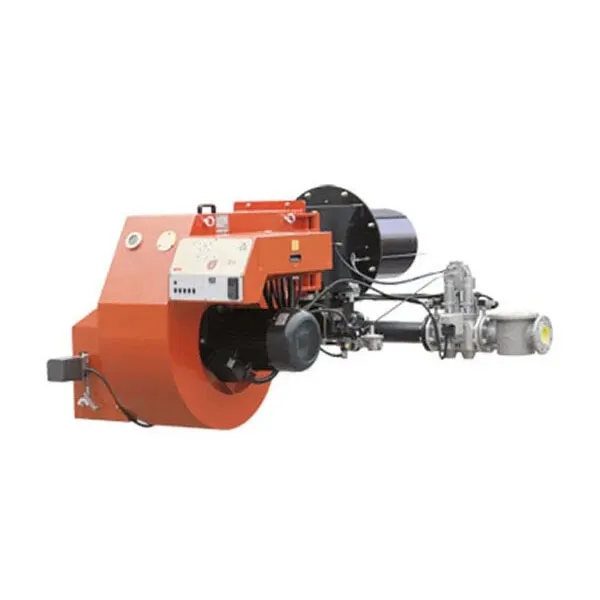
A structured workflow enhances efficiency and reduces the likelihood of misdiagnosis. A recommended approach includes:
Initial Observation: Record error codes, flame behavior, and recent operational changes.
Fuel System Check: Inspect fuel quality, line pressure, and filter conditions.
Airflow Assessment: Verify air intake, clean ducts, and ensure correct combustion settings.
Ignition System Inspection: Examine electrodes, wiring, and flame detection devices.
Nozzle and Atomization Review: Clean, align, or replace nozzles as necessary.
Environmental Evaluation: Consider ambient conditions, draft influences, and burner cycling patterns.
Documentation and Corrective Action: Maintain detailed logs of findings, repairs, and performance improvements.
Following this workflow allows maintenance teams to systematically identify root causes, implement effective solutions, and prevent recurring flame failures.
Troubleshooting common industrial oil burner flame failures requires a comprehensive understanding of fuel systems, combustion dynamics, ignition components, and environmental influences. By adopting a proactive maintenance strategy, regularly inspecting critical components, and adhering to safety protocols, organizations can significantly reduce downtime, enhance operational efficiency, and maintain safe and reliable burner operation. Companies that invest in proper training and structured troubleshooting practices benefit from longer equipment lifespans and improved energy efficiency.
Addressing flame failures is not just a technical necessity; it is an operational imperative. By focusing on troubleshooting common industrial oil burner flame failures, plant managers and maintenance personnel can ensure consistent heat output, safeguard production processes, and optimize overall system performance.
Remote Monitoring for Industrial Burners: Alerts That Prevent Downtime
2026-10-19High Altitude Industrial Burner Performance: Adjustments for Thin Air
2026-10-12Biomass Industrial Burners: Wood Pellets vs Agricultural Waste for Steam
2026-10-05Industrial Burner Replacement: Key Specs to Match Your Furnace Design
2026-09-28Address: Room 504, Building 11, Wuzhou International Industrial Expo City, Old National Highway 310, Xigong District, Luoyang City, Henan Province
E-mail: shuxin@sxburner.com
Phone: +86 15516359168
Take every customer request seriously.
Shuxin
Electromechanical
+86 15516359168
shuxin@sxburner.com
Room 504, Building 11, Wuzhou International Industrial Expo City, Old National Highway 310, Xigong District, Luoyang City, Henan Province
+86 15516359168
shuxin@sxburner.com
Room 504, Building 11, Wuzhou International Industrial Expo City, Old National Highway 310, Xigong District, Luoyang City, Henan Province