


Get A Quote
Rotary kiln systems are widely used in cement production, metallurgy, lime calcination, and various high-temperature industrial processes. Among the critical components that determine operational safety and thermal efficiency, the burner plays a central role. However, one of the most hazardous operational issues that plant engineers may encounter is burner backfire. This phenomenon not only disrupts production stability but also poses significant safety risks to equipment and personnel.
Understanding the causes of backfire in rotary kiln burners and implementing effective prevention measures is essential for maintaining continuous operation, reducing downtime, and extending equipment lifespan. This article provides a practical and engineering-focused analysis based on field experience and industrial best practices.
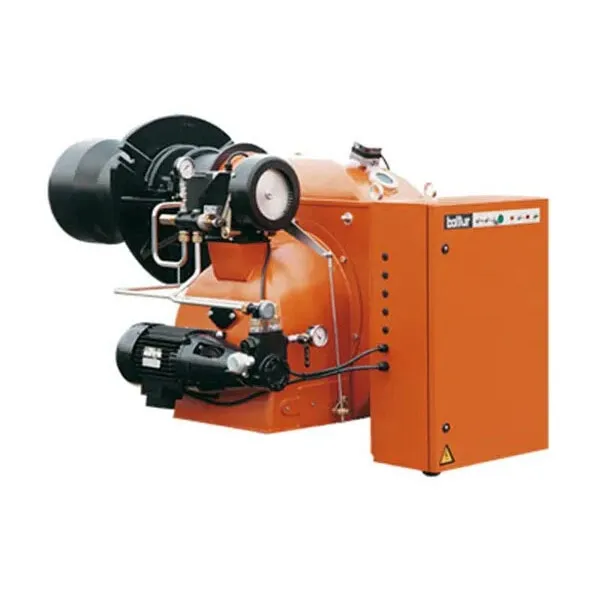
Backfire in a rotary kiln burner refers to an abnormal condition where the flame reverses direction and propagates backward into the burner pipe or fuel delivery system. Under normal operation, the flame should remain stable at the kiln front, maintaining controlled combustion within the combustion zone. When backfire occurs, the flame front moves upstream, which can lead to overheating of burner components, damage to fuel nozzles, or even explosion risks in severe cases.
This phenomenon is not caused by a single factor but is usually the result of a combination of airflow imbalance, fuel irregularities, ignition instability, or operational mismanagement.
2.1 Improper Air-to-Fuel Ratio
One of the most common causes of burner backfire is an incorrect air-to-fuel ratio. When the mixture becomes too rich in fuel and lacks sufficient oxygen, combustion becomes unstable. This condition allows the flame to propagate backward into regions where unburned fuel accumulates.
On the other hand, excessive air velocity can also destabilize the flame front, causing flame lifting or flame separation, which may eventually lead to reverse flame movement.
2.2 Low Primary Air Pressure or Poor Air Distribution
Primary air plays a critical role in shaping and stabilizing the flame at the burner tip. If the primary air pressure drops below the required level, the flame loses its anchoring point. As a result, combustion may begin to travel backward into the burner pipe.
Uneven air distribution caused by blocked air channels, worn-out fans, or improper damper settings can further intensify this instability.
2.3 Fuel Quality Issues and Irregular Injection
Fuel inconsistency is another major contributor to backfire incidents. Variations in calorific value, moisture content, or particle size (in the case of solid fuels like pulverized coal) can lead to uneven combustion behavior.
Irregular fuel injection, such as pulsating flow or delayed atomization in oil or gas burners, can create zones of incomplete combustion. These zones may act as ignition points for reverse flame propagation.
2.4 Burner Misalignment or Mechanical Wear
Mechanical conditions of the burner system also significantly affect combustion stability. If the burner is not properly aligned with the kiln axis, the flame may not develop symmetrically within the combustion zone.
In addition, worn-out burner tips, damaged nozzles, or internal leakage can disrupt airflow patterns, creating turbulence that increases the likelihood of backfire.
2.5 Sudden Operational Changes
Rapid adjustments in kiln speed, fuel input, or air flow without gradual transition can destabilize the combustion system. Rotary kiln burners are designed to operate under controlled dynamic equilibrium. Sudden changes disrupt this balance, often leading to flame instability and backfire events.
2.6 Poor Ignition Control During Start-Up
Backfire incidents are more likely to occur during start-up or shutdown phases. If ignition is not properly controlled or if fuel is introduced before stable airflow is established, flame reversal can occur within seconds.
This is particularly critical in gas-fired or oil-fired rotary kiln systems where ignition timing and sequencing must be strictly controlled.
Backfire is not only an efficiency issue but also a serious safety concern. Prolonged exposure to reverse flame conditions can cause:
Overheating and deformation of burner pipes
Damage to fuel supply lines and valves
Increased risk of explosion in fuel mixing zones
Unexpected kiln shutdowns and production losses
Accelerated wear of refractory materials near the kiln head
For industrial operators, even a single backfire incident can lead to significant maintenance costs and operational delays.
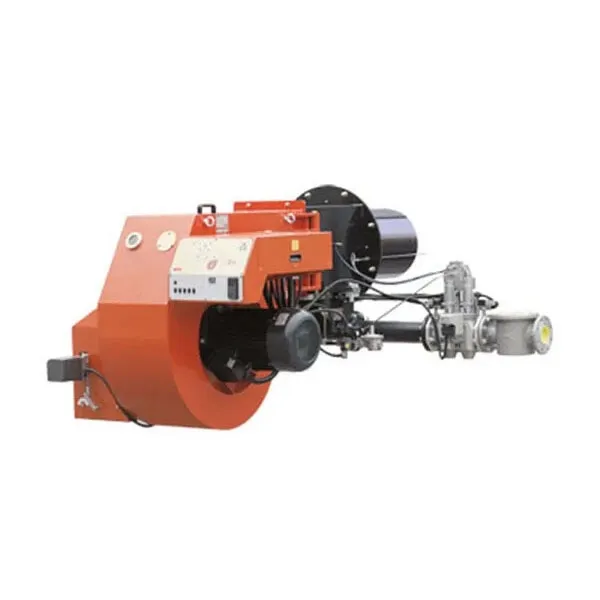
4.1 Maintain Stable Air-Fuel Ratio Control
A reliable combustion control system should continuously monitor and adjust the air-to-fuel ratio. Automated control systems equipped with oxygen sensors and flow meters can significantly reduce human error and improve combustion stability.
Operators should also regularly calibrate measurement instruments to ensure accurate readings.
4.2 Ensure Adequate Primary Air Supply
The primary air system must be designed to deliver consistent pressure and velocity. Routine inspection of fans, ducts, and dampers is necessary to prevent airflow restriction.
It is also important to verify that air distribution remains uniform across all burner channels to maintain a stable flame core.
4.3 Improve Fuel Quality Management
Fuel consistency should be strictly controlled before entering the burner system. For solid fuels, moisture content and particle size distribution should meet design specifications. For liquid and gaseous fuels, filtration and pressure stabilization systems should be properly maintained.
Stable fuel quality directly contributes to predictable combustion behavior and reduces the risk of flame instability.
4.4 Optimize Burner Alignment and Maintenance
Regular mechanical inspection of the burner system helps prevent misalignment and wear-related issues. Engineers should ensure that the burner is centered along the kiln axis and that nozzles remain free from blockage or deformation.
Preventive maintenance schedules should be established to replace worn components before failure occurs.
4.5 Control Operational Transitions Carefully
Operators should avoid sudden changes in fuel input or airflow. Instead, adjustments should be implemented gradually to allow the combustion system to stabilize.
During kiln start-up and shutdown, strict procedural sequences must be followed to ensure safe ignition and flame stabilization.
4.6 Install Flame Monitoring and Safety Interlocks
Modern rotary kiln systems benefit significantly from flame detection systems and automatic interlocks. Flame scanners can detect abnormal flame behavior in real time and trigger alarms or corrective actions before backfire develops.
Safety interlocks can automatically shut off fuel supply when unstable combustion conditions are detected.
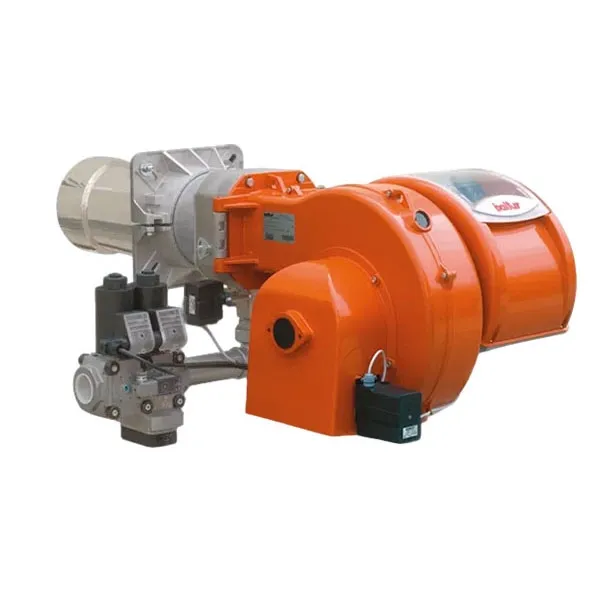
Industrial experience shows that preventing backfire is not achieved through a single solution but through a combination of design quality, operational discipline, and continuous monitoring. Plants that achieve stable kiln burner performance typically integrate:
Advanced combustion control systems
Regular operator training programs
Predictive maintenance strategies
Continuous process data analysis
By combining these elements, operators can significantly reduce combustion instability and improve overall kiln efficiency.
Backfire in rotary kiln burners is a complex combustion instability issue that arises from multiple interacting factors, including air-fuel imbalance, poor fuel quality, mechanical wear, and operational errors. While the risks are serious, most incidents can be effectively prevented through proper system design, disciplined operation, and proactive maintenance strategies.
For industrial operators, maintaining burner stability is not only a matter of safety but also a direct factor influencing production efficiency and cost control. By applying structured prevention measures and continuously optimizing combustion conditions, rotary kiln systems can achieve safer, more reliable, and more efficient long-term operation.
High Altitude Industrial Burner Performance: Adjustments for Thin Air
2026-10-12Biomass Industrial Burners: Wood Pellets vs Agricultural Waste for Steam
2026-10-05Industrial Burner Replacement: Key Specs to Match Your Furnace Design
2026-09-28Solving Cold Start Issues in Large Industrial Burners: Preheating Strategies
2026-09-21Address: Room 504, Building 11, Wuzhou International Industrial Expo City, Old National Highway 310, Xigong District, Luoyang City, Henan Province
E-mail: shuxin@sxburner.com
Phone: +86 15516359168
Take every customer request seriously.
Shuxin
Electromechanical
+86 15516359168
shuxin@sxburner.com
Room 504, Building 11, Wuzhou International Industrial Expo City, Old National Highway 310, Xigong District, Luoyang City, Henan Province
+86 15516359168
shuxin@sxburner.com
Room 504, Building 11, Wuzhou International Industrial Expo City, Old National Highway 310, Xigong District, Luoyang City, Henan Province