


Get A Quote
A well-maintained industrial burner is the heart of efficient combustion processes, directly impacting fuel costs, emissions, and equipment longevity. Without a structured maintenance regimen, even the most robust burner systems can experience performance degradation, unscheduled downtime, and premature failure. This checklist distills decades of field experience into actionable steps that, when followed consistently, have been proven by SHUXIN engineers to extend burner service life by up to 3 years. Whether you operate a single burner or manage a fleet, these guidelines will help you achieve maximum reliability and lower total cost of ownership.
Industrial burners operate under extreme thermal and mechanical stress. Over time, soot accumulation, thermal cycling fatigue, and component wear erode efficiency. A reactive approach—fixing only when something breaks—often leads to cascading failures, such as cracked refractory or damaged flame sensors, that can cost thousands in replacement parts and lost production. Proactive maintenance, on the other hand, catches small issues before they become major. Data from SHUXIN’s service records show that facilities adhering to a comprehensive checklist reduce major burner failures by over 60% and achieve a typical lifespan extension from 7–8 years to 10–11 years—effectively an extra 3 years of operational life.
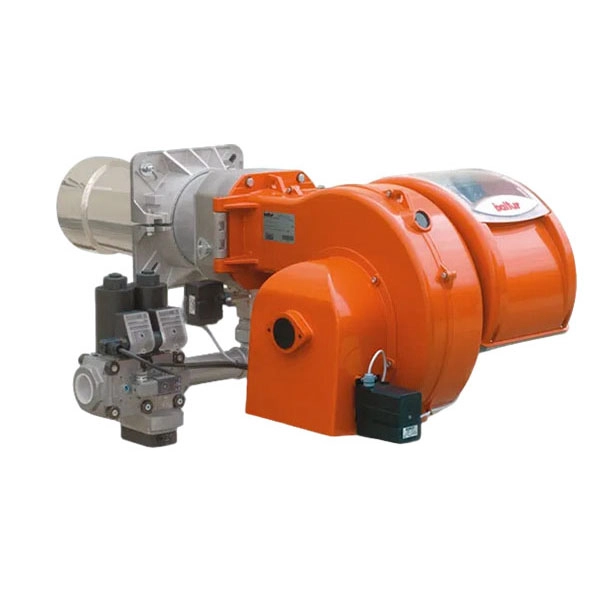
This checklist is organized by frequency. Tailor the intervals to your specific operating conditions—high-duty cycle burners may require more frequent checks.
Even with a thorough checklist, the biggest gains come from understanding the root causes of wear. SHUXIN field experts recommend three strategies that compound the 3-year life extension goal:
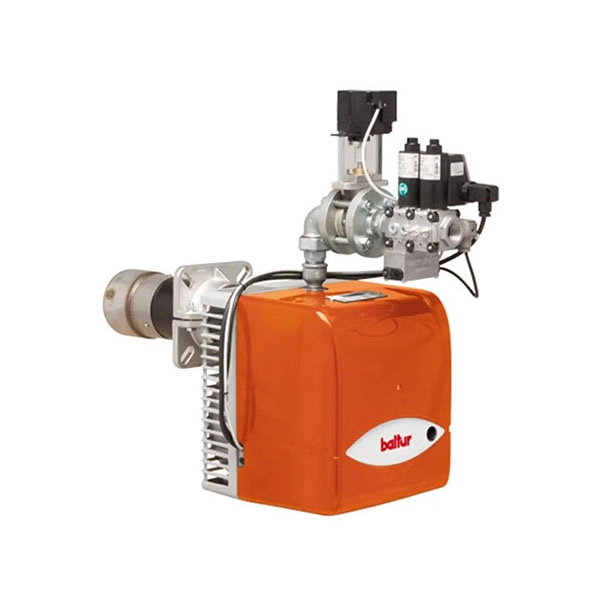
While many checklist tasks can be performed by in-house maintenance teams, certain critical procedures require certified burner specialists. Annual overhaul, combustion tuning, and safety device validation are best handled by experienced technicians who carry the right tools and genuine parts. SHUXIN offers a comprehensive burner service program that includes a digital inspection report, parts replacement with OEM-sourced components, and a 12-month warranty on all serviced assemblies. Our track record across 500+ industrial sites shows that facilities using SHUXIN’s annual overhaul service report 45% fewer unplanned shutdowns compared to self-serviced installations. To schedule an audit or request a tailored checklist for your burner model, contact our engineering desk.
Typically every 3–5 years, depending on operating hours and environment. Replace immediately if response time exceeds 2 seconds during the self-check cycle.
Yes, when combined with prompt corrective action. The 3-year extension comes from avoiding catastrophic failures and reducing component fatigue. SHUXIN case studies document burners that passed 12-year mark with original burner head assembly.
Cleaning the air filter and inlet screen. A dirty blower intake forces the fan to work harder, raising motor temperature and reducing combustion air volume—this alone causes many tuning drift issues.
By committing to this structured maintenance regimen, industrial operators can transform burner reliability from a reactive concern into a competitive advantage. Start today with the daily checks, and you will see measurable gains in both performance and lifespan.
Solving Cold Start Issues in Large Industrial Burners: Preheating Strategies
2026-09-21Industrial Burner Efficiency Ratings: What AFUE and Turndown Ratio Mean
2026-09-14Waste Oil Industrial Burners: Turning Used Lubricants into Free Heat
2026-09-07Industrial Burner Safety Systems: Flame Safeguard and Leak Detection Tips
2026-08-31Address: Room 504, Building 11, Wuzhou International Industrial Expo City, Old National Highway 310, Xigong District, Luoyang City, Henan Province
E-mail: shuxin@sxburner.com
Phone: +86 15516359168
Take every customer request seriously.
Shuxin
Electromechanical
+86 15516359168
shuxin@sxburner.com
Room 504, Building 11, Wuzhou International Industrial Expo City, Old National Highway 310, Xigong District, Luoyang City, Henan Province
+86 15516359168
shuxin@sxburner.com
Room 504, Building 11, Wuzhou International Industrial Expo City, Old National Highway 310, Xigong District, Luoyang City, Henan Province