


Get A Quote
When your aging boiler starts consuming more fuel and demanding frequent maintenance, the decision to replace or repair becomes a financial puzzle. Retrofitting the burner unit—rather than the entire boiler—offers a compelling middle path: lower upfront cost, immediate efficiency gains, and a rapid return on investment. At SHUXIN, we have engineered industrial burners specifically designed to mate with legacy boiler shells, delivering combustion optimization that can pay for itself within 14 months. This article examines the technical and economic rationale behind burner retrofitting, presents a realistic ROI model, and provides actionable guidance for facility managers evaluating this upgrade.
A common misconception is that an inefficient boiler must be scrapped entirely. In reality, the pressure vessel—if structurally sound—often retains decades of useful life. The burner, however, is the component where energy conversion happens. Replacing only the burner with a modern, precision-controlled unit addresses the root cause of inefficiency at a fraction of replacement cost.
With a retrofit, you retain existing infrastructure—stack, fuel lines, controls interface—while upgrading the core combustion technology. The capital saved can be redirected to other energy-saving measures.
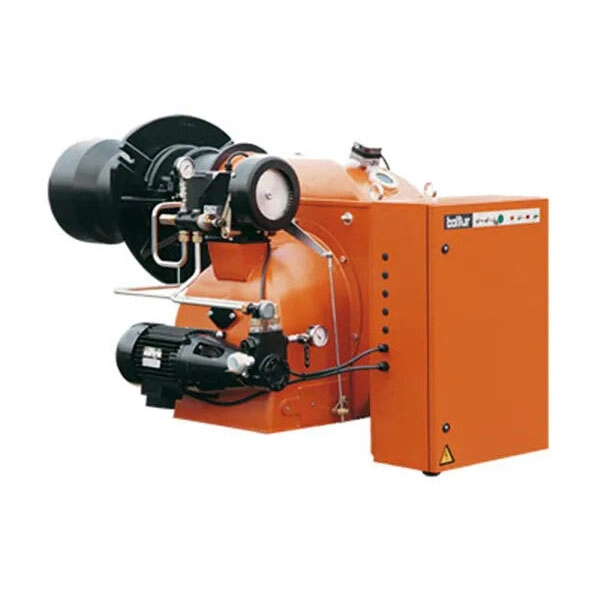
Our burners incorporate three key innovations that directly improve efficiency and reduce operational costs.
Traditional burners rely on mechanical linkages that drift over time, leading to excess oxygen or unburned fuel. SHUXIN burners use digital step motors and real-time O2 trim feedback to maintain stoichiometric balance within ±0.5%. Field data from a 150 HP fire-tube boiler retrofit shows a 6–9% reduction in fuel consumption immediately after commissioning.
Stringent environmental regulations are pushing facilities toward lower NOx and CO levels. Our burner’s staged-flame geometry reduces thermal NOx formation without sacrificing turndown ratio. One customer in the food processing industry cut NOx from 120 ppm to under 30 ppm, avoiding a costly SCR system upgrade.
Most legacy burners struggle below 30% of rated capacity. SHUXIN burners achieve turndown ratios up to 8:1, meaning the burner can precisely match load variations throughout the day. This eliminates wasteful on-off cycling and reduces heat loss through stack purges.
To substantiate the ROI claim, we constructed a realistic scenario using average industrial energy prices in North America (2024 data). Assumptions: natural gas at $8/MMBtu, a 200 HP boiler operating 6,000 hours/year at 65% average load, baseline efficiency 78% (typical for a 15-year-old burner).
| Parameter | Before Retrofit | After SHUXIN Retrofit |
|---|---|---|
| Combustion efficiency | 78% | 88% |
| Annual fuel consumption (MMBtu) | 15,385 | 13,636 |
| Annual fuel cost @ $8/MMBtu | $123,080 | $109,088 |
| Annual savings | – | $13,992 |
| Retrofit investment (installed) | – | $16,500 |
| Simple payback period | – | 14.2 months |
Additional savings not shown in the table include reduced maintenance (no more flame scanner failures, no linkage adjustments) and lower spare parts inventory. When factoring in utility rebates for efficiency upgrades—common in many regions—the payback can drop below 12 months.
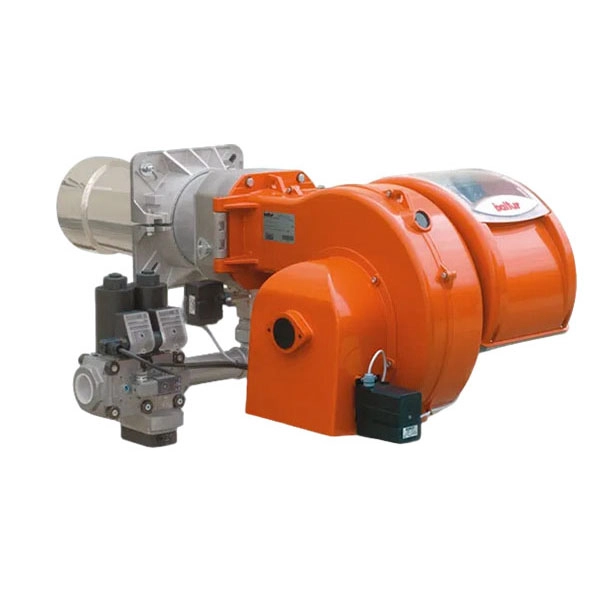
Not every boiler is a candidate. Before committing, a site assessment should verify:
SHUXIN provides a free pre-qualification checklist and on-site evaluation to eliminate guesswork. Our certified technicians handle the entire installation—from burner mounting and piping to combustion tuning and emissions testing—ensuring the unit operates at peak performance from day one.
Most fire-tube and water-tube boilers with a National Board certificate and non-corroded tube sheets can accept a modern burner. Exceptions include units with severe thermal fatigue or non-standard flange patterns; SHUXIN offers custom adapter plates for uncommon configurations.
Modern industrial burners have fewer moving parts and self-diagnostic controllers. The mean time between failures for a SHUXIN burner exceeds 20,000 operating hours—significantly better than legacy designs.
Typically 1.5–2 days on-site for a standard 200–400 HP boiler. The boiler must be offline during that period, so we schedule work during planned maintenance windows or seasonal low-demand periods.
Retrofitting an old boiler with a SHUXIN industrial burner is a capital-efficient strategy that delivers a rapid, measurable return. The combination of lower upfront cost, double-digit efficiency gains, and a 14-month average payback makes this upgrade one of the most attractive energy projects available today. Whether driven by cost reduction, emissions compliance, or both, facility managers should evaluate their boiler fleet with an open mind—the pressure vessel may still have years of service left, and the right burner can unlock that potential. Contact SHUXIN for a feasibility analysis and a customized ROI projection based on your actual operating data.
Industrial Oil Burner Buying Guide for Plant Managers
2026-10-26Remote Monitoring for Industrial Burners: Alerts That Prevent Downtime
2026-10-19High Altitude Industrial Burner Performance: Adjustments for Thin Air
2026-10-12Biomass Industrial Burners: Wood Pellets vs Agricultural Waste for Steam
2026-10-05Address: Room 504, Building 11, Wuzhou International Industrial Expo City, Old National Highway 310, Xigong District, Luoyang City, Henan Province
E-mail: shuxin@sxburner.com
Phone: +86 15516359168
Take every customer request seriously.
Shuxin
Electromechanical
+86 15516359168
shuxin@sxburner.com
Room 504, Building 11, Wuzhou International Industrial Expo City, Old National Highway 310, Xigong District, Luoyang City, Henan Province
+86 15516359168
shuxin@sxburner.com
Room 504, Building 11, Wuzhou International Industrial Expo City, Old National Highway 310, Xigong District, Luoyang City, Henan Province