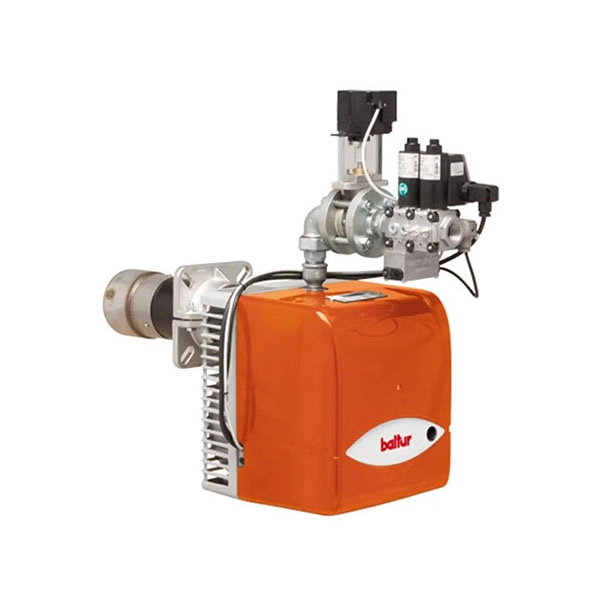
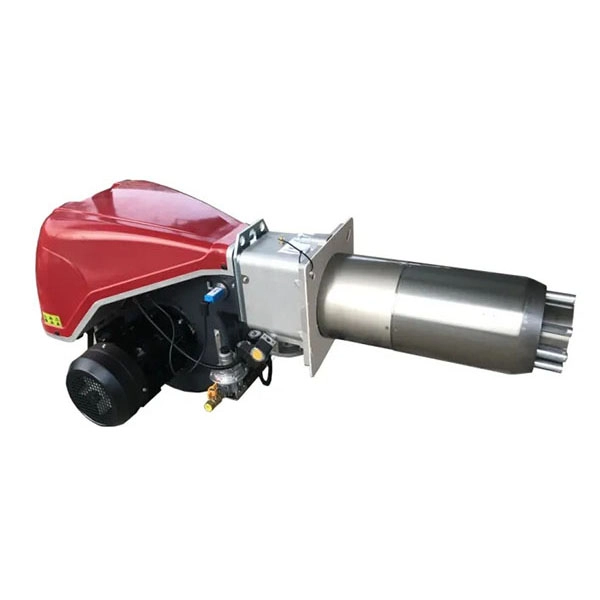
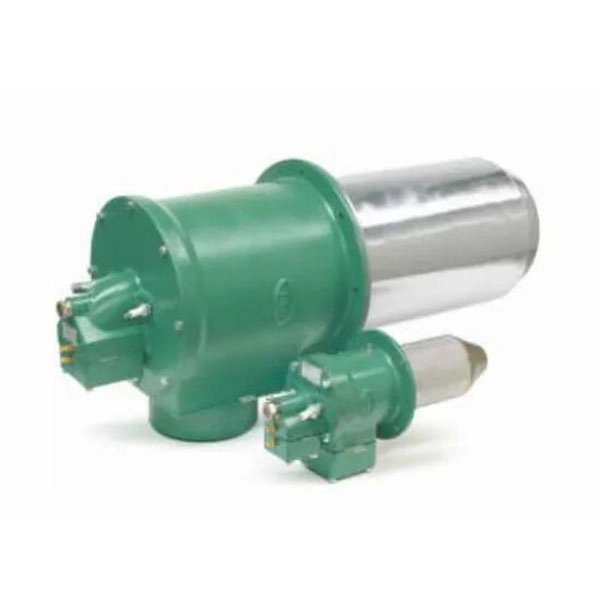
Selecting the right fuel for your biomass industrial burner is a critical decision that directly impacts steam production efficiency, operational costs, and environmental compliance. For facilities seeking to replace fossil fuels with renewable alternatives, the two most common feedstocks are wood pellets and agricultural waste (such as rice husks, corn stover, or palm kernel shells). While both are classified as biomass, their combustion characteristics, handling requirements, and cost structures differ significantly. This article provides a rigorous comparison to help you determine which fuel—or combination—best suits your industrial steam generation needs. We share insights from SHUXIN's decade of experience in designing multi-fuel industrial burners.
1. Combustion Characteristics and Steam Efficiency
Wood Pellets: Consistent Quality and High Density
Wood pellets are manufactured from compressed sawdust or wood shavings, yielding a uniform shape (6–8 mm diameter), low moisture content (typically <10%), and high calorific value (16–19 MJ/kg). This consistency translates to steady flame temperature and predictable steam output. Industrial burners optimized for pellets can achieve combustion efficiencies exceeding 90% with minimal unburnt carbon. The low ash content (0.5–1.5%) reduces slagging and fouling, allowing longer continuous operation between maintenance cycles.
Agricultural Waste: Variable but Cost-Effective
Agricultural residues vary widely by region and crop. For example, rice husks have a calorific value of 13–15 MJ/kg with 15–20% ash, while palm kernel shells offer 18–20 MJ/kg with only 3–5% ash. The higher ash content and alkali metals in many ag wastes (especially straws) can cause clinker formation, corrosion, and lower combustion efficiency (75–85% if not properly managed). However, advanced burner designs—such as those from SHUXIN—incorporate staged air injection and self-cleaning grates to handle high-ash fuels while maintaining stable steam generation.
2. Economic Analysis: Fuel Cost and Operational Expenses
When comparing total cost of ownership, both fuel procurement and operational impacts must be considered.
- Fuel Price: Wood pellets are typically $150–$250 per ton, depending on region and quality. Agricultural waste can be $20–$80 per ton, making it superficially cheaper. However, the lower calorific value means you need 15–30% more fuel by weight to produce the same steam output.
- Transport and Storage: Pellets are dense (650–750 kg/m³), reducing logistics costs. Ag waste is often bulky, requires on-site drying, and is seasonal—demanding larger storage capacity and careful management of moisture to prevent combustion.
- Maintenance and Ash Disposal: Wood pellets generate less ash (typically 0.5–1.5% of fuel weight), which can sometimes be sold as soil amendment. Ag waste may produce 5–20% ash, increasing disposal fees and cleaning frequency. The corrosive nature of some ag waste ash also accelerates wear on heat exchangers and burner parts.
- Labor and Downtime: Fuel feeding systems for ag waste need more robust conveyors and augers to handle irregular particle sizes. SHUXIN burners are designed with heavy-duty feeding mechanisms to minimize blockages, reducing unscheduled downtime.
In a typical 10-ton/hr steam boiler running 8,000 hours/year, the annual fuel cost for wood pellets might be $1.2 million versus $0.8 million for ag waste—but the difference narrows when factoring in $50,000–$100,000 in additional maintenance and ash handling. Net savings depend heavily on local ash disposal costs and labor rates.
3. Equipment Compatibility and Retrofitting Considerations
Not all burners can handle both fuel types. Wood pellets require a precision metering system and a grate designed for uniform air distribution. Agricultural waste demands:
- A larger combustion chamber to accommodate slower burn rates and higher ash volumes.
- Automatic ash removal systems (e.g., rotating grates or screw extractors).
- Corrosion-resistant materials in the flue gas path.
SHUXIN offers dual-fuel burners that can switch between wood pellets and ag waste without hardware changes, using adaptive control algorithms that adjust air-fuel ratios based on real-time fuel analysis. For existing boilers, retrofitting a multi-fuel burner may cost 30–50% more than a dedicated pellet burner, but it provides flexibility to exploit local fuel markets and hedge against price volatility.
4. Environmental and Sustainability Impact
Both fuels are considered carbon-neutral if sourced from sustainably managed resources. However, lifecycle emissions differ:
- Wood pellets from certified forestry ensure low land-use change impacts. Pellet production consumes energy (drying, milling), but overall emissions are 80–90% lower than coal.
- Agricultural waste avoids the methane emissions from open-field burning (common in many regions). Using it as fuel can improve air quality and provide an income stream for farmers. However, the ash may contain heavy metals if agrochemicals were used, requiring careful disposal protocols.
Regulatory incentives (e.g., renewable heat obligations, carbon taxes) often apply equally to both, but some jurisdictions favor waste-derived fuels. A comprehensive sustainability audit is recommended before committing to a long-term fuel strategy.
5. Decision Framework and Recommendations
There is no universal “better” fuel—the optimal choice depends on your local conditions:
- Choose wood pellets if you prioritize reliability, low maintenance, and consistent steam quality, and have access to a stable supply chain at competitive prices.
- Choose agricultural waste if you are located in an agricultural region with abundant low-cost residues, can invest in advanced burner technology, and have a plan for ash management.
- Consider a dual-fuel approach with a SHUXIN industrial burner that can blend pellets and ag waste to optimize cost and availability year-round.
Before making a final decision, conduct a detailed feasibility study covering fuel sourcing, storage, handling, and boiler integration. SHUXIN offers technical assessments and pilot demonstrations to validate performance with your specific fuel samples.
Frequently Asked Questions
Can I use 100% agricultural waste in my existing pellet burner?
Most pellet burners are not designed for high-ash, high-moisture fuels. Modifications to the grate, feeding system, and combustion controls are typically required. SHUXIN provides retrofit kits for safe conversion.
What is the typical payback period for switching from pellets to ag waste?
If the fuel cost difference is $100/ton and the annual fuel consumption is 6,000 tons, gross savings of $600,000 can offset a $300,000 burner upgrade in about six months—but this varies widely.
Does SHUXIN offer after-sales support for fuel switching?
Yes, SHUXIN provides remote monitoring, combustion tuning, and ash management consulting to ensure optimal performance with any biomass feedstock.
Selecting the right biomass fuel for your industrial steam burner is a strategic decision with long-term implications. By understanding the trade-offs outlined above and leveraging the flexibility of modern multi-fuel burners, you can achieve both cost savings and environmental goals. SHUXIN remains committed to helping customers navigate this choice with proven technology and expert guidance.
 English