


Get A Quote
Flame instability in industrial burners—whether manifesting as flickering, lifting, or intermittent extinction—can lead to production downtime, increased emissions, and even safety hazards. For plant engineers and maintenance teams, pinpointing the root cause and applying the right corrective action is critical. This guide explores the most common culprits behind flame instability, presents a systematic troubleshooting framework, and outlines proven fixes. Throughout, we reference how SHUXIN’s advanced burner components and combustion solutions help achieve stable, efficient operation.
Before diving into fixes, it is essential to recognize the primary factors that disrupt a stable flame. These typically fall into three categories: fuel-air mixture imbalance, airflow/distribution issues, and component deterioration.
An incorrect fuel-to-air ratio is the most frequent trigger. Too much air (lean condition) causes the flame to lift away from the burner tip, while insufficient air (rich condition) leads to a yellow, sooty flame that may flicker or detach. Both conditions result from improper regulator settings, clogged nozzles, or fluctuating fuel pressure.
Turbulent or uneven air supply—due to dirty fans, blocked dampers, or duct leaks—can disrupt the flame front. Cross-drafts from ventilation systems or open doors also introduce random air currents that destabilize the flame.
Ignition electrodes with cracked insulation, corroded flame rods, or deformed burner tiles alter the combustion zone geometry. Over time, carbon buildup on nozzles and diffusers restricts flow, creating irregular flame patterns.
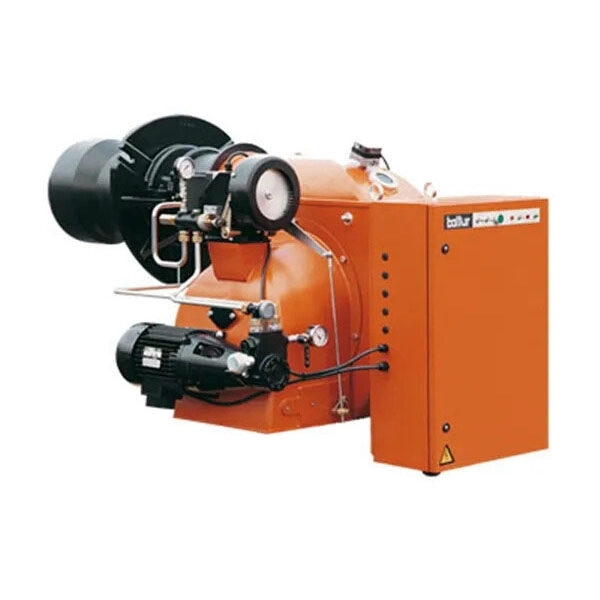
Follow this systematic approach to isolate the cause without wasting time on unrelated adjustments.
Once the root cause is identified, apply these targeted remedies.
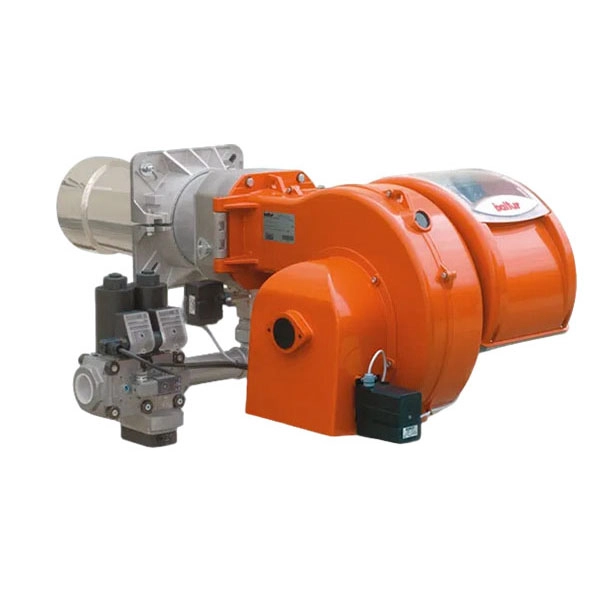
Reactive troubleshooting is costly. Implement these practices to minimize repeat issues:
Many industrial facilities partner with SHUXIN for preventive maintenance kits that include all essential burner spare parts, reducing procurement lead time and ensuring compatibility.
Despite thorough troubleshooting, some flame instability problems persist due to systemic issues—such as non‑uniform fuel composition, combustion chamber back‑pressure, or design margins. In these cases, engaging a combustion engineering specialist is advisable.
SHUXIN’s technical team can perform on‑site combustion audits using advanced diagnostic tools (like high‑speed flame imaging and gas analysis arrays) to identify subtle instabilities. We also offer retrofits: for example, replacing outdated burner heads with our patented swirl-stabilized design that broadens the turndown ratio while maintaining a steady flame. Additionally, SHUXIN’s IoT‑enabled burner controllers continuously adjust fuel‑air ratios in real time, compensating for upstream upsets.
Flame instability is rarely caused by a single factor—systematic diagnosis is essential. Always start with fuel‑air ratio checks, move to airflow evaluation, and inspect component condition. Apply the fixes outlined above, and consider a preventive maintenance plan. For persistent or complex cases, leverage SHUXIN’s expertise and high‑quality replacement parts to restore burner reliability.
Need immediate assistance? Contact SHUXIN’s support center for troubleshooting guides and product recommendations tailored to your burner model.
High Altitude Industrial Burner Performance: Adjustments for Thin Air
2026-10-12Biomass Industrial Burners: Wood Pellets vs Agricultural Waste for Steam
2026-10-05Industrial Burner Replacement: Key Specs to Match Your Furnace Design
2026-09-28Solving Cold Start Issues in Large Industrial Burners: Preheating Strategies
2026-09-21Address: Room 504, Building 11, Wuzhou International Industrial Expo City, Old National Highway 310, Xigong District, Luoyang City, Henan Province
E-mail: shuxin@sxburner.com
Phone: +86 15516359168
Take every customer request seriously.
Shuxin
Electromechanical
+86 15516359168
shuxin@sxburner.com
Room 504, Building 11, Wuzhou International Industrial Expo City, Old National Highway 310, Xigong District, Luoyang City, Henan Province
+86 15516359168
shuxin@sxburner.com
Room 504, Building 11, Wuzhou International Industrial Expo City, Old National Highway 310, Xigong District, Luoyang City, Henan Province