


Get A Quote
Cement kilns represent one of the most thermally demanding industrial environments, where the combustion system must maintain precise temperature profiles while enduring continuous operation under extreme conditions. The choice of a heavy duty industrial burner directly impacts clinker quality, energy efficiency, and overall plant uptime. For plant managers and procurement specialists evaluating options, two attributes stand above all others: temperature control and long-term reliability. This article examines the technical parameters that define high-performing cement kiln burners and explains why SHUXIN has become a trusted name in this specialized field.
The cement manufacturing process requires sustained temperatures between 1400°C and 1500°C in the sintering zone to facilitate clinker formation. Achieving and maintaining this thermal environment demands a burner capable of delivering a stable, high-intensity flame with minimal fluctuation. Factors such as fuel type (coal, petcoke, natural gas, or alternative fuels), kiln diameter, and preheater configuration all influence the required flame characteristics.
Clinker formation is a complex sequence of chemical reactions that begins at approximately 900°C and accelerates above 1300°C. If the burner cannot maintain a consistent thermal profile, incomplete reactions occur, leading to reduced clinker quality, increased free lime content, and higher specific heat consumption. Modern heavy duty burners must therefore integrate advanced aerodynamic designs to shape the flame and control the temperature distribution along the kiln length.
Temperature uniformity is critical for avoiding hot spots that damage refractory lining and cold zones that compromise clinker mineralogy. A well-designed industrial burner creates a primary combustion zone with controlled swirl and axial momentum, ensuring the flame fills the kiln cross-section without impinging on walls. This uniformity directly translates to longer refractory life, lower maintenance costs, and consistent product quality.
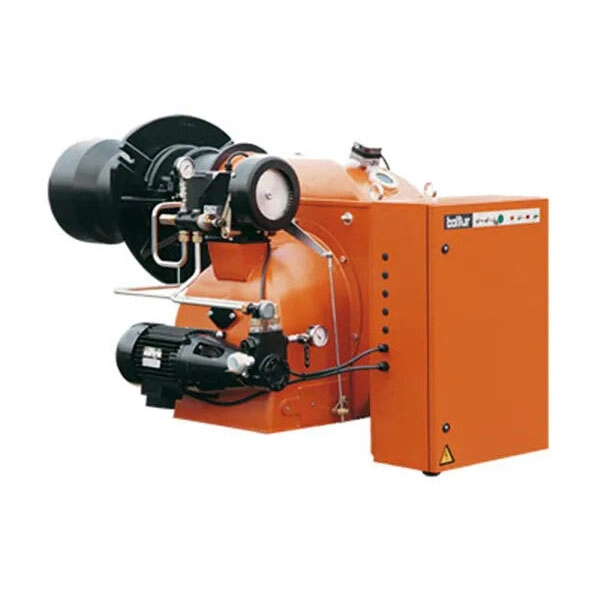
Reliability in cement kiln burners is not a single attribute but a combination of material science, engineering design, and system integration. Burners must withstand thermal cycling, abrasive fuel particles, and corrosive flue gases for years without performance degradation.
Critical components such as the burner nozzle, tips, and refractory lining are fabricated from high-temperature alloys and ceramics that resist creep, oxidation, and thermal shock. SHUXIN employs proprietary casting processes and selects alloys with chromium and nickel content optimized for the aggressive environment inside a cement kiln. The result is a burner body that maintains structural integrity even after thousands of hours of operation.
Reliability also depends on the control system's ability to respond to variations in fuel quality, ambient conditions, and load changes. Modern heavy duty burners incorporate flame scanners, oxygen sensors, and automated fuel-air ratio adjustments. These systems reduce human error and prevent conditions that could lead to flame instability, carbon buildup, or overheating. SHUXIN integrates PLC-based controls with intuitive HMI interfaces, enabling operators to monitor burner status and make adjustments in real time.
Ease of maintenance is a hallmark of reliable industrial equipment. Burners designed with modular components allow quick replacement of wear parts without requiring full burner extraction. Regular inspection intervals for nozzles, swirl vanes, and sealing elements extend the operational life beyond 5 to 7 years in many installations. SHUXIN provides detailed maintenance schedules and remote diagnostic support to help plants maximize uptime.
SHUXIN has engineered its heavy duty industrial burners specifically for cement kilns, incorporating decades of field experience into every design. The following capabilities distinguish SHUXIN burners in the market:
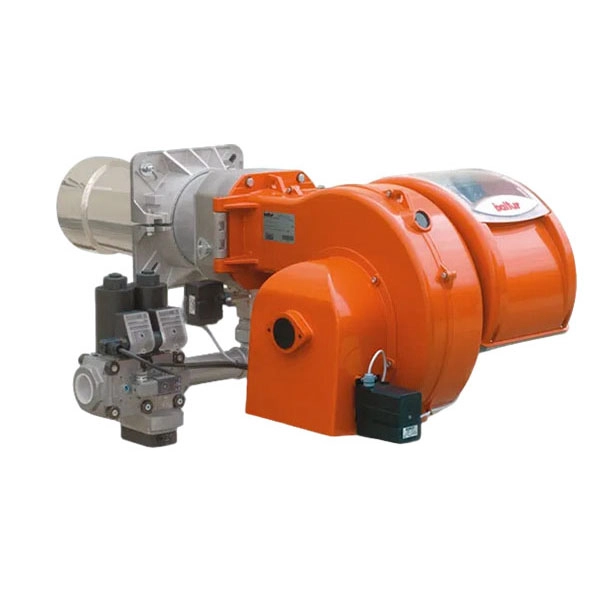
When evaluating heavy duty industrial burners for cement kilns, decision-makers often compare traditional tube-in-tube burners against advanced multi-channel designs. While tube-in-tube burners are simpler and cheaper, they lack the flexibility and flame control required for modern kilns handling varied fuel blends. Multi-channel burners, such as those from SHUXIN, offer independent control of primary air, secondary air, and fuel streams, enabling precise temperature management. The key advantages include:
Selecting a heavy duty industrial burner for a cement kiln is a long-term investment that affects every aspect of plant performance. Temperature precision and reliability are not optional—they are prerequisites for profitable and sustainable operation. SHUXIN burners are engineered to meet these demands through rigorous design, quality materials, and comprehensive support. For plant teams seeking a partner who understands the unique challenges of cement production, SHUXIN offers proven solutions that balance thermal performance with operational durability.
To learn more about SHUXIN's industrial burner portfolio or request a technical consultation, contact our application engineers. We tailor each burner configuration to your kiln's specific fuel, capacity, and environmental requirements.
High Altitude Industrial Burner Performance: Adjustments for Thin Air
2026-10-12Biomass Industrial Burners: Wood Pellets vs Agricultural Waste for Steam
2026-10-05Industrial Burner Replacement: Key Specs to Match Your Furnace Design
2026-09-28Solving Cold Start Issues in Large Industrial Burners: Preheating Strategies
2026-09-21Address: Room 504, Building 11, Wuzhou International Industrial Expo City, Old National Highway 310, Xigong District, Luoyang City, Henan Province
E-mail: shuxin@sxburner.com
Phone: +86 15516359168
Take every customer request seriously.
Shuxin
Electromechanical
+86 15516359168
shuxin@sxburner.com
Room 504, Building 11, Wuzhou International Industrial Expo City, Old National Highway 310, Xigong District, Luoyang City, Henan Province
+86 15516359168
shuxin@sxburner.com
Room 504, Building 11, Wuzhou International Industrial Expo City, Old National Highway 310, Xigong District, Luoyang City, Henan Province