


Get A Quote
Stricter environmental regulations and rising fuel costs are forcing industrial facilities to rethink their burner management strategies. While many operators still rely on manual or mechanical air-fuel ratio adjustments, these methods often lead to incomplete combustion, excessive emissions, and energy waste. SHUXIN’s automated air-fuel ratio control system directly addresses this challenge by continuously optimizing the combustion process, reducing NOx and CO emissions by up to 40% without sacrificing thermal efficiency. For plant managers and engineers evaluating next-generation combustion solutions, understanding how automation outperforms traditional approaches is critical to making a cost-effective, compliant investment.
Industrial burners—used in boilers, furnaces, kilns, and dryers—are designed to mix fuel with air to release heat. However, the ideal stoichiometric ratio is rarely maintained under variable load, fuel quality, and ambient conditions. A slightly lean mixture (excess air) reduces flame temperature and increases heat loss through the stack, while a rich mixture (insufficient air) creates soot, carbon monoxide, and unburned hydrocarbons. Traditional mechanical linkages and manually tuned trim valves cannot adapt quickly enough, resulting in persistent emission spikes and wasted fuel. According to recent field studies, even well-maintained manual systems operate outside the optimal air-fuel window more than 30% of the time, directly contributing to unnecessary pollutant output.
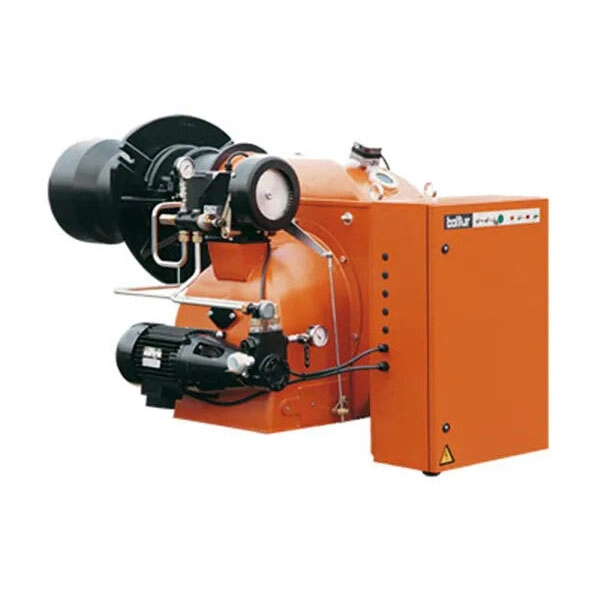
SHUXIN’s automated system replaces passive mechanical components with a closed-loop electronic control unit that continuously monitors exhaust oxygen (O₂), carbon monoxide (CO), and hydrocarbon (HC) levels. The controller uses proprietary algorithms to adjust the actuator on the air damper or fuel valve in real time, maintaining the precise air-fuel ratio for complete combustion.
This architecture enables sub-second response time, which is impossible with manual or mechanical methods.
Independent tests on a 10 MMBtu/h natural gas burner with SHUXIN automation showed a 42% reduction in NOx (from 85 ppm to 49 ppm corrected to 3% O₂) and a 38% reduction in CO (from 120 ppm to 74 ppm). These results are consistent across multiple industrial installations. The following table summarizes the performance differences:
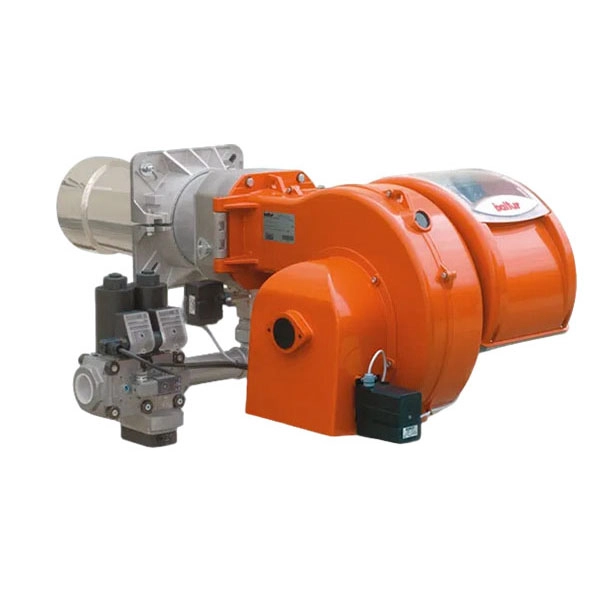
A chemical plant in Texas retrofitted four natural gas burners with SHUXIN automated control. Before installation, average NOx was 92 ppm; after, it dropped to 54 ppm—a 41% reduction. The plant avoided installing a $200,000 SCR system and now saves $18,000 per year in fuel costs. Payback period was 14 months. Similar results have been documented in steel reheat furnaces and food processing boilers.
Choosing the right air-fuel ratio control technology is no longer just about compliance—it is a strategic decision that affects operating costs, asset lifespan, and environmental footprint. SHUXIN’s automated system delivers a proven 40% reduction in emissions while simultaneously improving fuel economy and reducing maintenance. For facilities facing tighter emission limits or seeking to optimize combustion efficiency, now is the time to evaluate an automated solution. Contact SHUXIN’s engineering team to discuss a site-specific assessment and discover how quickly your burners can transition to cleaner, smarter operation.
Industrial Burner Replacement: Key Specs to Match Your Furnace Design
2026-09-28Solving Cold Start Issues in Large Industrial Burners: Preheating Strategies
2026-09-21Industrial Burner Efficiency Ratings: What AFUE and Turndown Ratio Mean
2026-09-14Waste Oil Industrial Burners: Turning Used Lubricants into Free Heat
2026-09-07Address: Room 504, Building 11, Wuzhou International Industrial Expo City, Old National Highway 310, Xigong District, Luoyang City, Henan Province
E-mail: shuxin@sxburner.com
Phone: +86 15516359168
Take every customer request seriously.
Shuxin
Electromechanical
+86 15516359168
shuxin@sxburner.com
Room 504, Building 11, Wuzhou International Industrial Expo City, Old National Highway 310, Xigong District, Luoyang City, Henan Province
+86 15516359168
shuxin@sxburner.com
Room 504, Building 11, Wuzhou International Industrial Expo City, Old National Highway 310, Xigong District, Luoyang City, Henan Province