


Get A Quote
As global environmental regulations continue to tighten, industries that rely on high-temperature thermal processing are under increasing pressure to reduce nitrogen oxide (NOx) emissions. Among these industries, cement production, lime calcination, and metallurgical processing are particularly affected due to their heavy dependence on rotary kilns. In this context, the adoption of Low NOx burners for rotary kilns has become a critical engineering solution for companies aiming to meet emission standards while maintaining operational efficiency and production stability.
This article provides a comprehensive overview of how Low NOx burner technology works, why it is essential for modern rotary kiln systems, and how industrial operators can integrate it effectively into both new installations and retrofit projects.
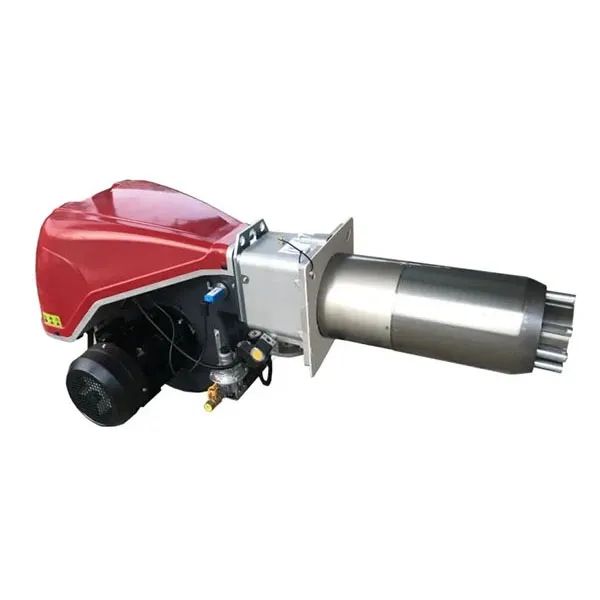
Rotary kilns are widely used in high-temperature processing industries such as cement manufacturing, lime production, and mineral calcination. These systems operate continuously under extreme thermal conditions, often exceeding 1,400°C in the burning zone. To sustain such temperatures, large quantities of fuel are combusted, which inevitably leads to the formation of nitrogen oxides.
NOx emissions are primarily generated through two mechanisms: thermal NOx, which is formed at high combustion temperatures, and fuel NOx, which results from nitrogen compounds present in the fuel. Without proper combustion control, rotary kilns can become significant contributors to air pollution, making emission control technologies not only desirable but mandatory in many regions.
Environmental agencies in regions such as the European Union, the United States, and parts of Asia have implemented strict emission thresholds for industrial NOx output. These regulations are designed to reduce smog formation, acid rain, and respiratory health risks associated with air pollution.
Low NOx burners for rotary kilns are specifically engineered to address these regulatory requirements. Instead of relying on post-combustion treatment alone, they reduce NOx formation at the source by controlling how fuel and air are mixed and burned inside the kiln system. This proactive approach allows operators to achieve compliance more efficiently and cost-effectively.
The fundamental principle behind Low NOx burner technology is controlled combustion. Unlike conventional burners that promote rapid and high-temperature flame formation, Low NOx burners are designed to stage the combustion process.
In a typical rotary kiln application, the burner introduces fuel and air in a way that creates distinct combustion zones. The initial zone operates under fuel-rich conditions, which lowers peak flame temperature and reduces oxygen availability. This condition significantly suppresses thermal NOx formation. In the secondary zone, additional air is introduced to complete combustion, ensuring that fuel efficiency and heat output are not compromised.
Advanced Low NOx burners may also incorporate internal recirculation of flue gases. This technique dilutes oxygen concentration and further reduces flame temperature, which is one of the most effective ways to minimize NOx generation without affecting kiln productivity.
The performance of Low NOx burners in rotary kilns depends heavily on their design and integration. Modern systems typically include several key features:
First, adjustable flame shaping mechanisms allow operators to control flame length and intensity according to kiln conditions. This flexibility is particularly important in cement kilns, where material feed variability can influence thermal stability.
Second, staged air supply systems ensure precise control over primary and secondary combustion zones. This improves both emission performance and fuel efficiency.
Third, optimized fuel injection systems enable fine atomization of liquid fuels or controlled distribution of pulverized solid fuels, ensuring more complete and stable combustion.
Finally, many advanced systems integrate automated control systems that continuously adjust burner parameters based on real-time kiln data. This ensures consistent performance even under fluctuating production loads.
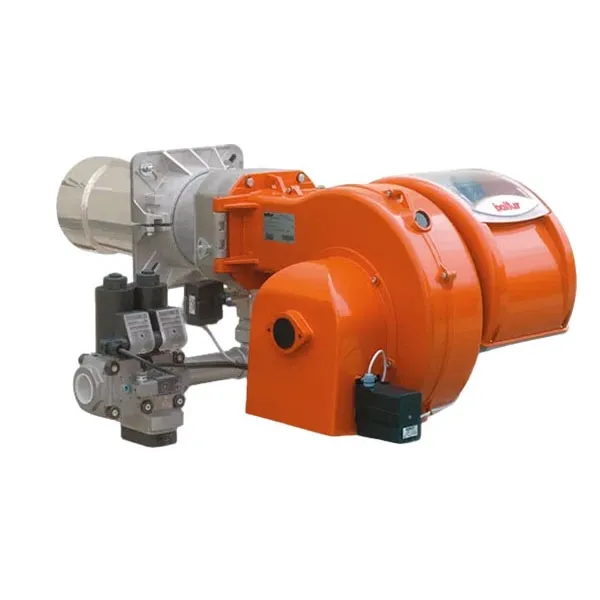
Although the primary purpose of Low NOx burners is to reduce emissions, their implementation offers several additional operational benefits.
One significant advantage is improved thermal efficiency. By optimizing combustion conditions, these burners reduce fuel consumption per ton of product, which directly lowers operating costs.
Another benefit is enhanced kiln stability. A more controlled flame reduces thermal fluctuations inside the kiln, which helps maintain consistent product quality, particularly in cement clinker production.
In addition, many operators experience reduced maintenance requirements. Lower peak flame temperatures and improved combustion control can decrease refractory wear, extending the service life of kiln linings and burner components.
Many industrial facilities operate rotary kilns that were installed before modern emission regulations were introduced. In such cases, retrofitting Low NOx burners represents a practical and cost-effective solution.
A successful retrofit project typically begins with a detailed assessment of the existing kiln system, including fuel type, airflow configuration, and production capacity. Engineers then design a burner system that integrates with existing mechanical and control infrastructure while meeting current emission standards.
During installation, careful calibration is required to balance NOx reduction with combustion stability. Operators often receive training to ensure they can adjust burner settings based on real-time operating conditions.
Different regions enforce different NOx emission limits, but the global trend is consistently moving toward stricter controls. For example, cement plants in the European Union must comply with Industrial Emissions Directive (IED) requirements, while facilities in other regions are adopting similar frameworks.
Low NOx burners provide a reliable pathway for compliance by reducing emissions at the combustion stage. When combined with supplementary technologies such as selective non-catalytic reduction (SNCR) or selective catalytic reduction (SCR), rotary kiln operators can achieve even lower emission levels required for future regulatory scenarios.
To maintain optimal performance, Low NOx burners require proper operational management. Regular inspection of fuel nozzles, air registers, and flame monitoring systems is essential. Operators must also ensure that fuel quality remains consistent, as variations can affect combustion behavior and NOx formation.
Predictive maintenance strategies are increasingly being adopted, where sensor data is used to anticipate wear or performance degradation before it affects kiln operation. This approach helps maintain both environmental compliance and production efficiency.
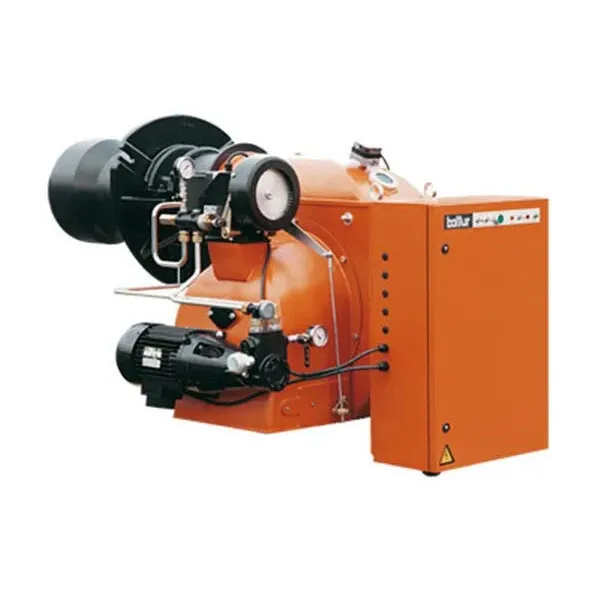
The future of rotary kiln combustion technology is moving toward greater digitalization and automation. Artificial intelligence and advanced process control systems are being integrated to optimize combustion parameters in real time. These systems can adjust burner settings dynamically to respond to changes in raw materials, fuel composition, and production demand.
At the same time, research is ongoing into hybrid combustion systems that combine traditional fuels with alternative energy sources such as hydrogen or biomass. These developments are expected to further reduce NOx emissions and carbon footprints in heavy industries.
Low NOx burners for rotary kilns represent a critical technology for industries that must balance high-temperature processing requirements with increasingly strict environmental regulations. By controlling combustion at its source, these systems provide an effective solution for reducing NOx emissions while maintaining productivity, efficiency, and product quality.
For industrial operators, investing in Low NOx burner technology is no longer just a matter of regulatory compliance; it is also a strategic decision that supports long-term operational sustainability and competitiveness in a rapidly evolving global market.
Industrial Burner Replacement: Key Specs to Match Your Furnace Design
2026-09-28Solving Cold Start Issues in Large Industrial Burners: Preheating Strategies
2026-09-21Industrial Burner Efficiency Ratings: What AFUE and Turndown Ratio Mean
2026-09-14Waste Oil Industrial Burners: Turning Used Lubricants into Free Heat
2026-09-07Address: Room 504, Building 11, Wuzhou International Industrial Expo City, Old National Highway 310, Xigong District, Luoyang City, Henan Province
E-mail: shuxin@sxburner.com
Phone: +86 15516359168
Take every customer request seriously.
Shuxin
Electromechanical
+86 15516359168
shuxin@sxburner.com
Room 504, Building 11, Wuzhou International Industrial Expo City, Old National Highway 310, Xigong District, Luoyang City, Henan Province
+86 15516359168
shuxin@sxburner.com
Room 504, Building 11, Wuzhou International Industrial Expo City, Old National Highway 310, Xigong District, Luoyang City, Henan Province