


Get A Quote
In industrial cement production, metallurgy, and mineral processing, the rotary kiln remains one of the most critical thermal processing equipment pieces. Among all influencing factors that determine kiln performance, the flame shape generated by the burner plays a decisive role in fuel efficiency, clinker quality, refractory life, and overall operational stability. Understanding how to optimize flame shape in rotary kiln burners is therefore not only a matter of energy saving, but also a key engineering strategy for long-term production reliability and cost control.
This article provides a comprehensive explanation of flame formation principles, the factors influencing flame geometry, and practical optimization strategies based on real industrial operating experience. It is designed for plant engineers, kiln operators, maintenance managers, and technical decision-makers who aim to improve combustion efficiency and process stability.
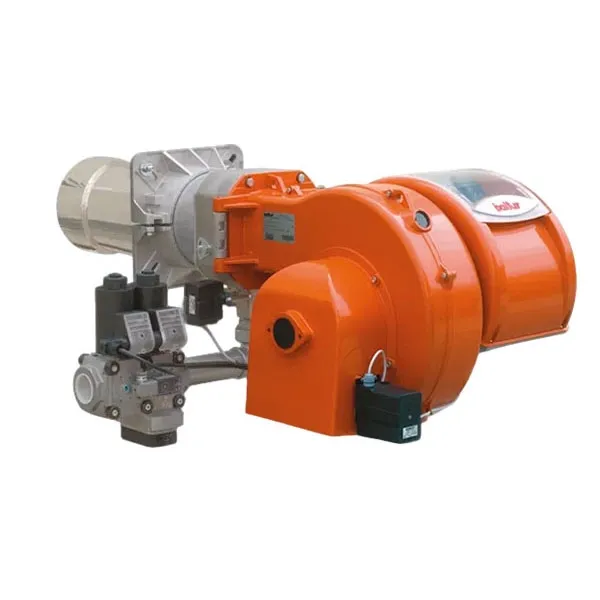
The flame in a rotary kiln is a dynamic result of fuel-air mixing, momentum balance, and thermal radiation exchange within a confined high-temperature environment. In practical operation, flame shape generally refers to three main characteristics: flame length, flame width, and flame core temperature distribution.
A well-optimized flame should be stable, moderately long, and slightly luminous at the core while maintaining sufficient penetration into the material bed without causing localized overheating of refractory bricks. If the flame is too short and intense, it may lead to hot spots and clinker over-burning. If it is too long and diffused, incomplete combustion and high fuel consumption will occur.
Therefore, flame optimization is essentially a process of balancing momentum, air distribution, and fuel atomization to achieve ideal heat transfer conditions.
1. Fuel Type and Combustion Characteristics
Different fuels such as coal powder, natural gas, oil, or alternative fuels exhibit different combustion velocities and ignition behaviors. For example, coal with higher volatile content tends to produce longer and more luminous flames, while natural gas usually forms a cleaner but shorter flame.
Operators must adjust burner parameters according to fuel properties rather than relying on fixed settings. A failure to adapt combustion conditions to fuel characteristics often leads to unstable flame behavior and inefficient heat utilization.
2. Primary and Secondary Air Ratio
The ratio between primary air and secondary air significantly determines flame geometry. Primary air is responsible for transporting and mixing fuel at the burner tip, while secondary air supports combustion inside the kiln.
If the primary air ratio is too high, the flame becomes overly rigid and short, increasing the risk of refractory damage. Conversely, insufficient primary air results in poor fuel dispersion, causing a long, lazy flame with incomplete combustion.
Proper balancing of air distribution ensures that the flame maintains sufficient momentum while still allowing complete and controlled combustion.
3. Burner Design and Swirl Intensity
Modern rotary kiln burners often use adjustable swirl mechanisms to control flame shape. Swirl intensity determines how strongly the air stream rotates, directly influencing flame expansion and stability.
A higher swirl creates a wider, shorter flame with stronger mixing, while a lower swirl produces a narrower and longer flame. The optimal swirl setting depends on kiln diameter, material feed rate, and thermal demand.
Engineers must evaluate burner design compatibility with kiln operating conditions, as mismatched burner geometry can limit optimization potential regardless of operational adjustments.
4. Fuel Injection Pressure and Atomization Quality
For liquid fuels and fine coal particles, atomization quality is a critical factor. Poor atomization results in uneven combustion and unstable flame structure.
Higher injection pressure generally improves fuel dispersion, leading to a more uniform flame. However, excessive pressure may cause flame blow-off or excessive turbulence. Therefore, maintaining a stable and optimized pressure range is essential for consistent flame performance.
5. Kiln Operating Conditions
The internal environment of the kiln, including material bed height, rotation speed, and feed rate, also influences flame shape. A higher material load typically requires a more penetrating flame to ensure proper heat transfer.
In contrast, during low-load operation, a softer flame is preferred to avoid overheating. Continuous monitoring of kiln conditions is necessary to dynamically adjust burner settings.
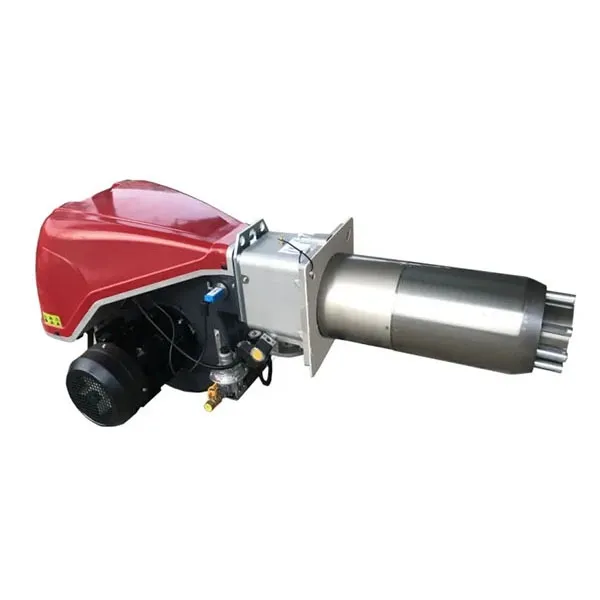
1. Establish Stable Baseline Combustion Parameters
Before attempting optimization, operators should establish a stable baseline by recording key parameters such as fuel flow rate, air pressure, oxygen content, and flame appearance. This baseline serves as a reference for subsequent adjustments and troubleshooting.
Without a stable reference, flame optimization becomes inconsistent and difficult to reproduce across operating shifts.
2. Use Gradual Adjustment Instead of Sudden Changes
Flame behavior in rotary kilns responds slowly to parameter changes due to thermal inertia. Therefore, any adjustment in air supply or fuel feed should be implemented gradually.
Sudden changes may cause flame instability, leading to temperature fluctuations that negatively affect clinker formation and refractory durability.
3. Optimize Oxygen Levels in the Burning Zone
Maintaining appropriate oxygen concentration in the burning zone is essential for complete combustion. Excess oxygen may cool the flame and reduce thermal efficiency, while insufficient oxygen leads to carbon monoxide formation and incomplete burning.
Continuous gas analysis systems can provide real-time feedback, enabling operators to fine-tune combustion conditions more precisely.
4. Adjust Flame Position Relative to Material Bed
An often overlooked aspect of flame optimization is its spatial relationship with the material bed inside the kiln. The flame should not directly impinge on refractory walls or remain too far from the material surface.
Proper positioning ensures efficient heat transfer while minimizing mechanical and thermal stress on kiln lining materials.
5. Implement Advanced Burner Control Systems
Modern rotary kiln systems increasingly rely on automated burner control systems equipped with real-time sensors and feedback loops. These systems can adjust air-fuel ratios dynamically based on temperature, oxygen levels, and kiln load.
While manual control still plays an important role, automation significantly improves consistency and reduces human error in flame management.
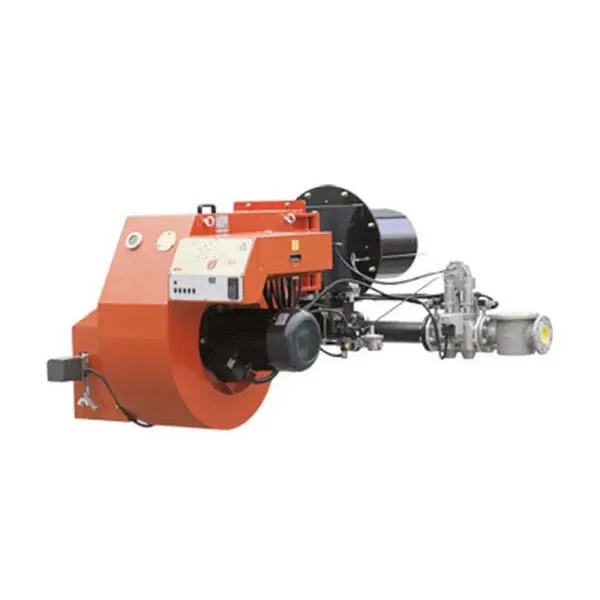
Poor flame control often leads to several operational issues. A short and intense flame may cause rapid refractory wear and localized overheating, increasing maintenance costs. A long and unstable flame typically results in incomplete combustion, higher fuel consumption, and reduced clinker quality.
Additionally, unstable flame conditions may cause kiln vibration, inconsistent material sintering, and increased emissions of CO and NOx gases. These issues not only affect production efficiency but may also lead to regulatory compliance risks in environmentally regulated industries.
From an engineering standpoint, flame optimization should not be treated as a one-time adjustment but rather as a continuous operational strategy. Experienced kiln operators often rely on both instrumentation data and visual flame observation to make informed decisions.
Field experience shows that even small adjustments in swirl air or fuel pressure can significantly influence clinker quality and energy consumption. Therefore, successful optimization requires both technical understanding and practical operational sensitivity.
Optimizing flame shape in rotary kiln burners is a complex but highly impactful process that directly influences production efficiency, product quality, and operational cost. It requires a systematic understanding of combustion principles, burner design, air-fuel interaction, and kiln operating dynamics.
Rather than relying on fixed operating parameters, modern kiln management emphasizes continuous monitoring, adaptive control, and data-driven decision-making. By applying structured optimization strategies and maintaining stable combustion conditions, operators can achieve more efficient fuel usage, longer refractory life, and higher overall kiln performance.
For industrial plants aiming to improve competitiveness and reduce energy consumption, flame optimization should be considered a core element of thermal system management rather than a secondary adjustment task.
Industrial Burner Replacement: Key Specs to Match Your Furnace Design
2026-09-28Solving Cold Start Issues in Large Industrial Burners: Preheating Strategies
2026-09-21Industrial Burner Efficiency Ratings: What AFUE and Turndown Ratio Mean
2026-09-14Waste Oil Industrial Burners: Turning Used Lubricants into Free Heat
2026-09-07Address: Room 504, Building 11, Wuzhou International Industrial Expo City, Old National Highway 310, Xigong District, Luoyang City, Henan Province
E-mail: shuxin@sxburner.com
Phone: +86 15516359168
Take every customer request seriously.
Shuxin
Electromechanical
+86 15516359168
shuxin@sxburner.com
Room 504, Building 11, Wuzhou International Industrial Expo City, Old National Highway 310, Xigong District, Luoyang City, Henan Province
+86 15516359168
shuxin@sxburner.com
Room 504, Building 11, Wuzhou International Industrial Expo City, Old National Highway 310, Xigong District, Luoyang City, Henan Province