


Get A Quote
In today’s industrial and commercial heating systems, energy efficiency is no longer just an operational preference—it is a financial and environmental necessity. One of the most effective ways to optimize energy consumption is through the use of modulated oil burners. Unlike conventional on/off oil burners, modulated burners adjust their firing rate to meet the precise heat demand, reducing fuel consumption and minimizing waste. Understanding how to calculate fuel savings with modulated oil burners is crucial for facility managers, engineers, and business owners who aim to optimize operational costs and sustainability efforts.
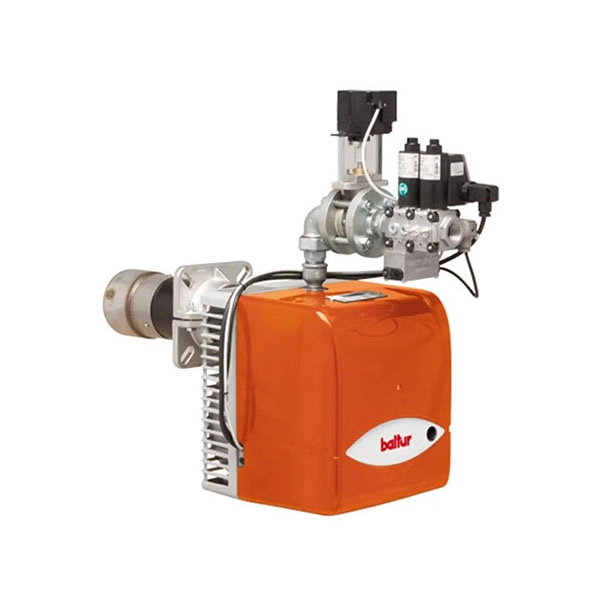
Modulated oil burners operate by continuously adjusting their output in response to the system’s heating requirements. Traditional single-stage burners operate at full capacity whenever they are on, which often leads to energy waste due to overheating and frequent cycling. In contrast, modulated burners vary their firing rate, maintaining a more stable temperature and ensuring that fuel is only consumed as needed. This precise control results in significant fuel savings, improved comfort levels in heating systems, and reduced wear and tear on equipment.
Calculating fuel savings with modulated oil burners involves more than just comparing two meters. Several critical factors influence the potential savings:
System Load Profile: The heating demand of a facility fluctuates throughout the day. Facilities with variable loads benefit more from modulation than those with steady, continuous heat requirements.
Burner Efficiency: Modulated burners typically operate more efficiently at partial loads than traditional on/off burners. Efficiency improvements can range from 5% to 20%, depending on system design and operating conditions.
Fuel Type and Cost: The type of fuel used—such as diesel, kerosene, or heavy fuel oil—affects both the calculation of savings and the economic return on investment. Higher fuel costs make savings more impactful in monetary terms.
Operating Hours: The duration for which the heating system operates directly impacts total fuel consumption. Systems running longer hours see greater cumulative savings from modulation.
Calculating fuel savings with modulated oil burners requires a systematic approach. Here is a practical step-by-step method:
Step 1: Determine Baseline Fuel Consumption
Measure the current fuel consumption of the existing non-modulated burner over a representative period, typically one month or one heating season. This measurement establishes a baseline for comparison.
Baseline Fuel Consumption (BFC)=Total fuel used by the conventional burner during the period
Step 2: Assess Modulated Burner Performance
Refer to the manufacturer’s data for the modulated burner. Identify the expected efficiency at different load levels. Manufacturers often provide a load-efficiency curve showing fuel consumption at varying modulation rates.
Step 3: Estimate Modulated Fuel Consumption
Calculate the estimated fuel consumption of the modulated burner over the same period using the formula:
Modulated Fuel Consumption (MFC)=∑(Hourly Load×Burner Efficiency at Load/Fuel Energy Content)
This approach accounts for fluctuations in heating demand and the improved efficiency at partial loads.
Step 4: Calculate Fuel Savings
Subtract the estimated fuel consumption of the modulated burner from the baseline fuel consumption:
Fuel Savings=BFC−MFC
Step 5: Convert to Cost Savings
Multiply the fuel savings by the current fuel price to determine the monetary benefit:
Cost Savings=Fuel Savings×Fuel Price per Unit
Step 6: Factor in Payback Period and ROI
To understand the economic impact, calculate the payback period for the modulated burner investment:
Payback Period=Installation Cost of Modulated Burner/Annual Cost Savings
This figure helps businesses evaluate the financial viability of upgrading to modulated burners.
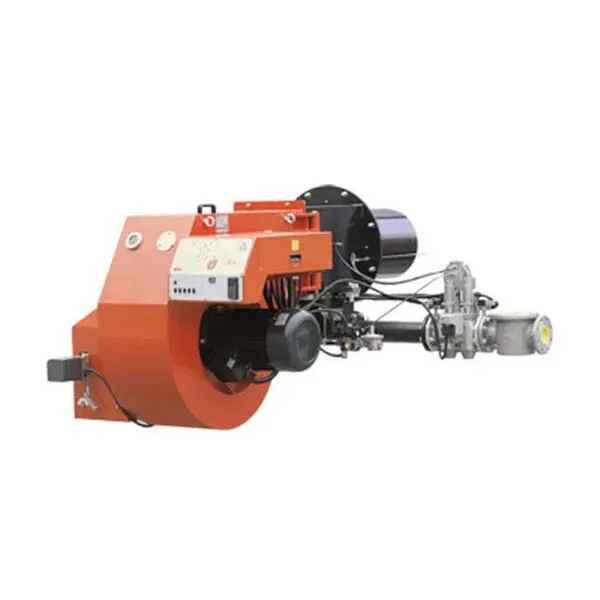
While the above method provides a reliable estimation, real-world conditions can introduce variability:
System Maintenance: Regular maintenance of the burner and heat exchanger ensures that efficiency gains are realized.
Temperature Control Settings: Properly calibrated thermostats and control systems maximize the benefits of modulation.
Seasonal Variations: Heating demand differs between winter and transitional seasons; long-term monitoring provides a more accurate picture of savings.
Data Logging: Modern modulated burners often include digital monitoring features, allowing real-time fuel consumption tracking and more precise savings calculations.
Consider a medium-sized commercial facility with an existing conventional oil burner consuming 12,000 liters of fuel per heating season. By installing a modulated oil burner with an average efficiency gain of 15%, the estimated fuel consumption drops to 10,200 liters. With fuel priced at $1.20 per liter, the facility realizes:
Fuel Savings=12,000−10,200=1,800 liters
Cost Savings=1,800×1.20=$2,160 per season
If the modulated burner costs $7,500 to install, the payback period is approximately 3.5 heating seasons, after which the facility continues to benefit from long-term energy savings.
Understanding how to calculate fuel savings with modulated oil burners empowers facility managers and business owners to make informed decisions about energy investments. By systematically evaluating baseline consumption, estimating modulated performance, and considering operational variables, organizations can quantify both energy and financial benefits. Beyond cost savings, modulated oil burners contribute to reduced greenhouse gas emissions and extended equipment lifespan, aligning with both operational efficiency and sustainability goals. Investing in such technology not only reduces fuel costs but also enhances the overall performance and reliability of heating systems.
Adopting modulated oil burners is a strategic move for modern facilities aiming to optimize energy usage, reduce operational expenses, and support environmental responsibility. Accurate calculation of fuel savings ensures that businesses realize the true value of this investment, making it a cornerstone of sustainable and efficient heating management.
Industrial Oil Burner Buying Guide for Plant Managers
2026-10-26Remote Monitoring for Industrial Burners: Alerts That Prevent Downtime
2026-10-19High Altitude Industrial Burner Performance: Adjustments for Thin Air
2026-10-12Biomass Industrial Burners: Wood Pellets vs Agricultural Waste for Steam
2026-10-05Address: Room 504, Building 11, Wuzhou International Industrial Expo City, Old National Highway 310, Xigong District, Luoyang City, Henan Province
E-mail: shuxin@sxburner.com
Phone: +86 15516359168
Take every customer request seriously.
Shuxin
Electromechanical
+86 15516359168
shuxin@sxburner.com
Room 504, Building 11, Wuzhou International Industrial Expo City, Old National Highway 310, Xigong District, Luoyang City, Henan Province
+86 15516359168
shuxin@sxburner.com
Room 504, Building 11, Wuzhou International Industrial Expo City, Old National Highway 310, Xigong District, Luoyang City, Henan Province