


Get A Quote
Industrial oil burner plants play a critical role in various manufacturing and processing industries, providing the thermal energy necessary for operations ranging from chemical production to metal processing. However, these plants traditionally operate at high energy consumption levels, with a significant portion of energy lost as waste heat through flue gases and exhaust systems. This inefficiency not only increases operational costs but also contributes to environmental pollution. Integrating waste heat recovery systems for industrial oil burner plants has emerged as a strategic solution to improve energy efficiency, reduce emissions, and enhance overall operational performance.
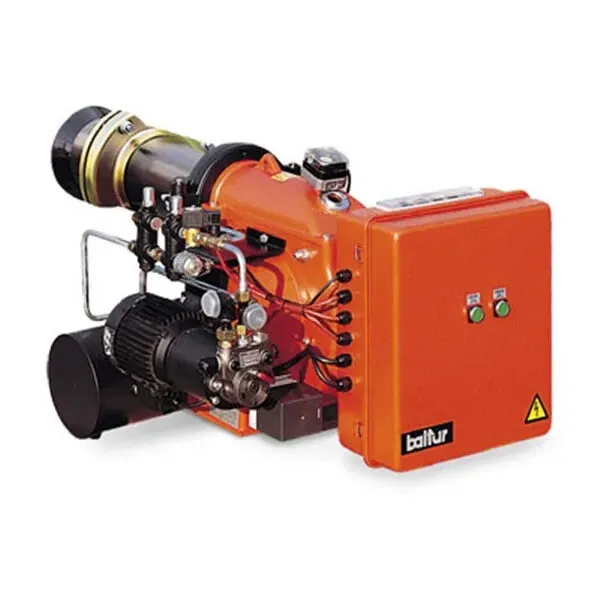
A waste heat recovery system (WHRS) captures and reuses heat that would otherwise be expelled into the environment. In industrial oil burner plants, this heat primarily originates from exhaust gases, flue stacks, and cooling water. By channeling this energy back into the system, plants can generate additional power, preheat feedwater, or provide heat for other industrial processes. Modern WHRS designs include economizers, heat exchangers, and organic Rankine cycle (ORC) units, each tailored to the temperature and composition of the waste heat stream.
For industrial oil burner plants, the adoption of a waste heat recovery system translates directly into reduced fuel consumption. Since oil is a high-cost energy source, even marginal improvements in efficiency can result in substantial financial savings. For example, by recovering 20–30% of the heat lost in exhaust gases, plants can lower oil consumption without compromising production output, directly impacting profitability.
Enhanced Energy Efficiency
Waste heat recovery systems significantly reduce the thermal energy lost during combustion. By converting waste heat into usable energy, plants can reduce their reliance on primary fuel sources. This improved efficiency aligns with global sustainability goals while simultaneously lowering operational expenses.
Reduced Carbon Emissions
Industrial oil burners are a considerable source of carbon emissions. Utilizing waste heat recovery systems diminishes the need for additional fuel combustion, thereby lowering CO₂ and other pollutant outputs. This environmental benefit positions companies to meet stringent regulatory requirements and supports corporate sustainability initiatives.
Operational Flexibility and Reliability
Modern WHRS are designed with adaptability in mind, allowing integration into existing plant infrastructure without extensive retrofitting. Heat exchangers, economizers, and ORC units can be customized based on plant size, fuel type, and operational demands. This flexibility ensures consistent performance under variable load conditions and minimizes downtime.
Cost Savings and Return on Investment
While initial installation costs may appear significant, the long-term financial benefits of waste heat recovery systems are compelling. Reduced fuel consumption, lower emissions compliance costs, and potential government incentives or carbon credits contribute to a favorable return on investment. Many industrial plants report payback periods of 2–5 years, depending on system scale and operational efficiency.
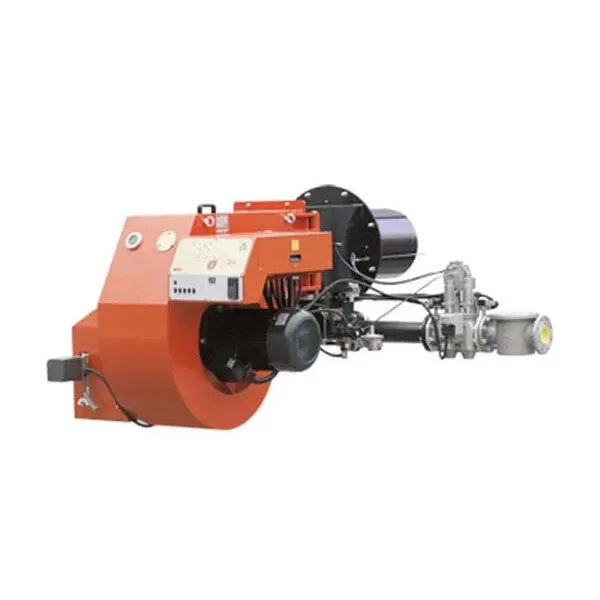
Successfully deploying a waste heat recovery system requires careful planning and engineering. Key considerations include:
Exhaust Gas Temperature and Composition: High temperatures and particulate-laden flue gases may necessitate specialized materials or cleaning mechanisms to prevent fouling and corrosion.
System Integration: The WHRS must complement existing heating, steam, or power generation systems without disrupting production workflows.
Maintenance Requirements: Regular inspection and maintenance are critical to ensure consistent performance and prolong equipment lifespan. Heat exchangers and economizers should be monitored for scaling, corrosion, and leaks.
Economic Analysis: Evaluating fuel costs, potential energy savings, and projected ROI helps determine the most cost-effective system configuration for the plant.
Technological advancements continue to enhance the effectiveness of waste heat recovery in oil burner plants. For instance, the integration of advanced sensors and AI-driven control systems enables real-time monitoring of heat flows and predictive maintenance. Additionally, combining WHRS with renewable energy sources or hybrid systems can further optimize energy utilization, reduce dependency on fossil fuels, and minimize environmental impact.
Emerging innovations in organic Rankine cycle technology allow recovery of low-temperature waste heat that was previously considered unusable. By converting this heat into electricity, plants can offset a portion of their grid energy consumption, offering both economic and environmental advantages.
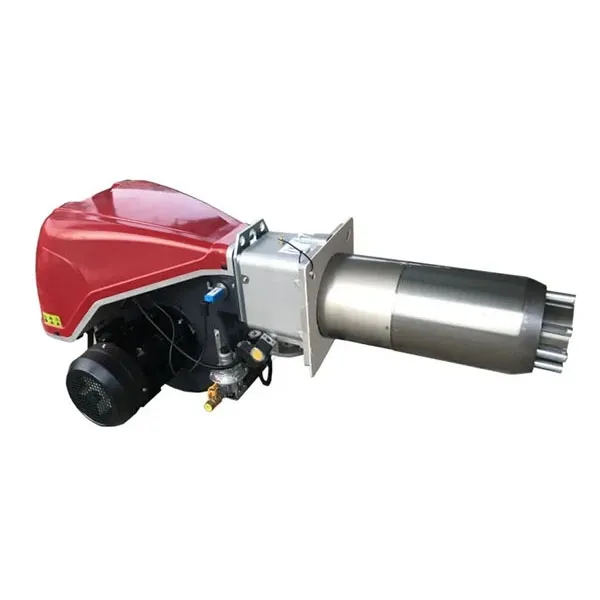
Integrating waste heat recovery systems for industrial oil burner plants represents a pivotal step toward energy-efficient and environmentally responsible operations. By reclaiming heat that would otherwise be lost, these systems reduce fuel consumption, lower carbon emissions, and enhance operational reliability. The strategic implementation of WHRS not only supports regulatory compliance and sustainability goals but also delivers measurable economic benefits through long-term cost savings. As industrial plants face increasing pressure to improve energy performance and reduce environmental impact, waste heat recovery systems stand out as a practical and forward-looking solution.
For industrial operators seeking to optimize their oil burner plants, investing in a waste heat recovery system is no longer optional—it is a smart, strategic choice that combines financial prudence with environmental stewardship.
High Altitude Industrial Burner Performance: Adjustments for Thin Air
2026-10-12Biomass Industrial Burners: Wood Pellets vs Agricultural Waste for Steam
2026-10-05Industrial Burner Replacement: Key Specs to Match Your Furnace Design
2026-09-28Solving Cold Start Issues in Large Industrial Burners: Preheating Strategies
2026-09-21Address: Room 504, Building 11, Wuzhou International Industrial Expo City, Old National Highway 310, Xigong District, Luoyang City, Henan Province
E-mail: shuxin@sxburner.com
Phone: +86 15516359168
Take every customer request seriously.
Shuxin
Electromechanical
+86 15516359168
shuxin@sxburner.com
Room 504, Building 11, Wuzhou International Industrial Expo City, Old National Highway 310, Xigong District, Luoyang City, Henan Province
+86 15516359168
shuxin@sxburner.com
Room 504, Building 11, Wuzhou International Industrial Expo City, Old National Highway 310, Xigong District, Luoyang City, Henan Province