


Get A Quote
Industrial gas burners form the thermal core of modern manufacturing systems. Whether in steel processing, ceramics firing, food production, or chemical refining, stable combustion directly determines product quality, energy consumption, and operational safety. Among all burner components, the nozzle plays a decisive role because it controls how fuel and air mix and enter the combustion zone.
In real-world industrial environments, even a slight deviation in nozzle performance can lead to unstable flames, incomplete combustion, or excessive emissions. Many facilities only address nozzle issues after a visible decline in performance, but by that point, fuel losses and equipment stress have already increased. A more proactive approach—centered on systematic cleaning and maintenance—can significantly improve operational efficiency while reducing long-term costs.
This guide provides a practical and experience-driven overview of how to properly clean and maintain industrial gas burner nozzles, along with actionable strategies to extend their service life.
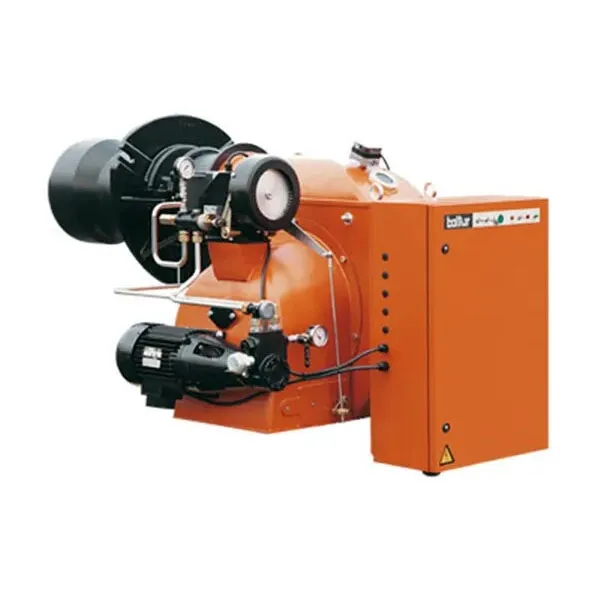
A gas burner nozzle is not simply a passage for fuel. It is a precision-engineered component designed to regulate flow rate, pressure, and spray pattern. When the nozzle operates correctly, it ensures a uniform fuel-air mixture that produces a stable and efficient flame.
However, when deposits accumulate or the nozzle geometry changes due to wear, several problems begin to appear. The flame may become irregular or oscillate, fuel may not burn completely, and emissions such as carbon monoxide can increase. In high-temperature industrial processes, these issues often translate into inconsistent heating, product defects, or even safety risks.
From an operational perspective, ignoring nozzle maintenance usually leads to three measurable consequences. First, fuel consumption rises because inefficient combustion wastes energy. Second, maintenance costs increase due to unplanned shutdowns or component damage. Third, safety risks escalate, particularly in systems where flame stability is critical.
For these reasons, nozzle maintenance should be treated as a core part of any plant’s preventive maintenance strategy rather than a reactive task.
Understanding the root causes of nozzle contamination helps maintenance teams design more effective cleaning schedules and select the right methods. In most industrial settings, fouling and wear result from a combination of environmental and operational factors.
Carbon and soot accumulation is one of the most common issues. Hydrocarbon fuels naturally produce carbon particles during combustion, and these particles gradually adhere to the inner walls and tip of the nozzle. Over time, the buildup restricts flow and distorts the spray pattern.
Moisture also plays a significant role, especially in facilities with fluctuating temperatures or high humidity. Condensation can form inside the burner assembly, accelerating corrosion and leading to surface pitting on the nozzle.
Fuel quality is another critical factor. Impurities such as sulfur compounds, dust, or oil residues can deposit inside the nozzle and form stubborn layers that are difficult to remove. Facilities that rely on inconsistent fuel sources often experience faster nozzle degradation.
In addition to chemical factors, mechanical wear cannot be overlooked. Continuous exposure to high temperatures and high-velocity fuel flow gradually erodes the nozzle orifice. Even slight enlargement or deformation can disrupt the intended fuel distribution, reducing combustion efficiency.
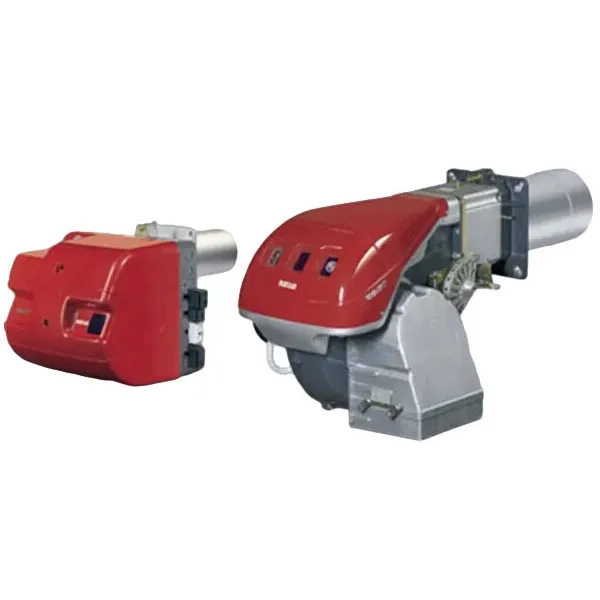
Cleaning a nozzle requires more than simply removing visible dirt. A structured and careful process ensures that performance is restored without causing unintended damage.
The process should always begin with a full system shutdown. Operators must cut off the gas supply and allow the burner to cool completely before starting any maintenance work. Proper protective equipment, including gloves and safety goggles, should be used to prevent injury.
Once the system is safe, the nozzle can be removed following the manufacturer’s specifications. It is important to document or photograph the original installation position because incorrect reassembly can affect burner performance.
After removal, the nozzle should be carefully inspected. Maintenance personnel should look for signs of carbon buildup, corrosion, or physical damage. If the orifice shows signs of deformation or excessive wear, replacement is often more effective than cleaning.
For cleaning, soaking the nozzle in a suitable industrial solvent is typically the most efficient method to dissolve carbon deposits. The choice of cleaning agent should match the nozzle material to avoid corrosion. Harsh chemicals should be avoided unless specifically recommended.
Once the deposits have softened, gentle mechanical cleaning can be performed using non-metallic tools such as soft brushes or wooden picks. This step requires patience, as excessive force or the use of metal tools may damage the nozzle geometry.
After cleaning, the nozzle should be thoroughly rinsed and dried. Any residual moisture can lead to corrosion once the burner is back in operation. Compressed air is often used in industrial settings to ensure complete drying.
Finally, the nozzle should be reinstalled and tested. During startup, operators should observe the flame pattern closely. A stable, uniform flame indicates that the cleaning process has been successful. If irregularities persist, further adjustment or replacement may be required.
While regular cleaning is essential, leading manufacturers and processing plants typically go further by implementing predictive and preventive maintenance strategies.
One effective approach is to establish a condition-based inspection schedule. Instead of relying solely on fixed intervals, maintenance teams monitor burner performance indicators such as flame shape, fuel consumption, and emission levels. This method allows for earlier detection of nozzle issues.
Another strategy involves improving fuel quality control. Installing filtration systems or working with reliable fuel suppliers can significantly reduce contamination, which in turn extends nozzle life.
Modern industrial burners are increasingly equipped with sensors and automated control systems. These systems can detect subtle changes in combustion behavior and alert operators before performance declines become critical. Integrating such technologies into maintenance routines can greatly enhance operational reliability.
In addition, maintaining detailed maintenance records helps facilities identify patterns over time. By analyzing cleaning frequency, replacement intervals, and failure causes, engineers can continuously refine maintenance strategies and reduce overall operating costs.
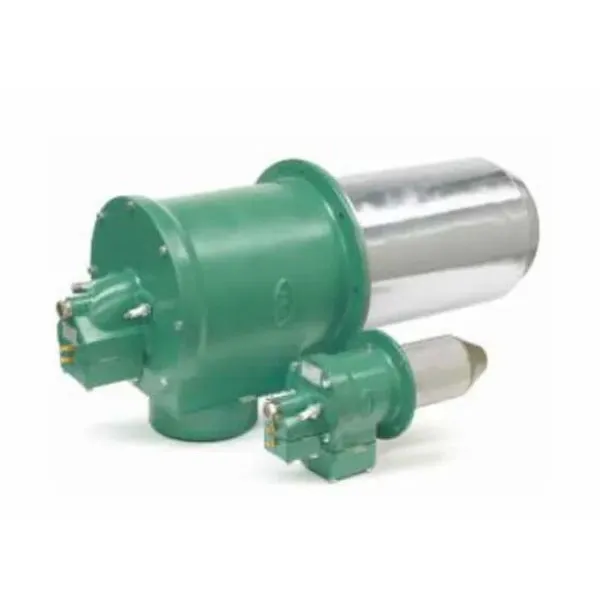
Facilities that invest in proper nozzle care often see measurable improvements across multiple aspects of their operations.
Cleaner nozzles lead to more efficient combustion, which directly reduces fuel consumption and lowers energy costs. Over time, these savings can be substantial, especially in energy-intensive industries.
Equipment lifespan also improves when nozzles are well maintained. Reduced buildup and wear mean that burners operate under less stress, minimizing the risk of component failure.
Safety is another critical benefit. Stable combustion reduces the likelihood of dangerous events such as flashback or incomplete burning, both of which can pose serious risks in industrial environments.
Finally, consistent maintenance reduces unplanned downtime. Instead of reacting to sudden failures, facilities can maintain steady production schedules and improve overall operational efficiency.
Industrial gas burner nozzles may appear to be small components, but their impact on performance, efficiency, and safety is significant. In demanding industrial environments, neglecting nozzle maintenance often leads to higher costs, reduced efficiency, and increased operational risks.
By adopting a structured approach to cleaning, understanding the underlying causes of fouling, and implementing proactive maintenance strategies, facilities can ensure that their burners operate at peak performance.
In the long run, proper nozzle maintenance is not just a routine task—it is a strategic investment that supports energy efficiency, production stability, and industrial safety.
Solving Cold Start Issues in Large Industrial Burners: Preheating Strategies
2026-09-21Industrial Burner Efficiency Ratings: What AFUE and Turndown Ratio Mean
2026-09-14Waste Oil Industrial Burners: Turning Used Lubricants into Free Heat
2026-09-07Industrial Burner Safety Systems: Flame Safeguard and Leak Detection Tips
2026-08-31Address: Room 504, Building 11, Wuzhou International Industrial Expo City, Old National Highway 310, Xigong District, Luoyang City, Henan Province
E-mail: shuxin@sxburner.com
Phone: +86 15516359168
Take every customer request seriously.
Shuxin
Electromechanical
+86 15516359168
shuxin@sxburner.com
Room 504, Building 11, Wuzhou International Industrial Expo City, Old National Highway 310, Xigong District, Luoyang City, Henan Province
+86 15516359168
shuxin@sxburner.com
Room 504, Building 11, Wuzhou International Industrial Expo City, Old National Highway 310, Xigong District, Luoyang City, Henan Province