


Get A Quote
In industrial settings, oil burners play a crucial role in providing consistent heat for processes ranging from manufacturing to large-scale heating applications. A critical component of these systems is the oil burner pump, which is responsible for delivering fuel at the correct pressure to achieve efficient combustion. Understanding how to properly adjust the pump pressure is essential not only for maximizing efficiency but also for ensuring safety and prolonging the service life of the burner system. This guide on industrial oil burner pump pressure adjustment provides step-by-step insights and best practices for maintenance teams and engineers.
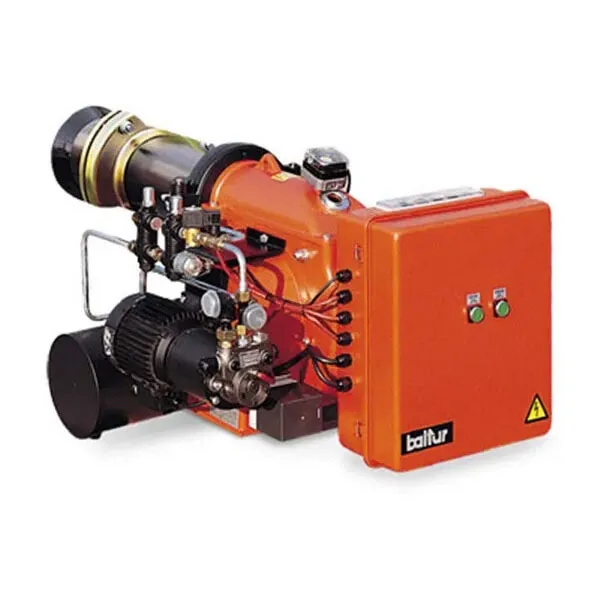
The oil burner pump serves as the heart of the fuel delivery system. It draws fuel from the storage tank and pressurizes it before injecting it into the combustion chamber through the nozzle. Incorrect pump pressure can lead to a variety of issues:
Incomplete Combustion: Low pressure may result in insufficient atomization of the fuel, causing smoky flames and poor heat output.
Excessive Fuel Consumption: High pressure can cause over-fueling, reducing energy efficiency and increasing operating costs.
Equipment Damage: Operating the pump outside the manufacturer’s recommended pressure range can damage the nozzle, fuel lines, and even the burner motor.
By adjusting the pump pressure accurately, industrial operators can optimize combustion, reduce maintenance costs, and comply with environmental regulations.
Before adjusting the pump, it is essential to gather the necessary tools and follow safety protocols:
Pressure gauge: A high-quality gauge capable of reading the full pressure range of the pump.
Screwdrivers or Allen wrenches: Depending on the pump model, these are required to adjust the pressure settings.
Protective equipment: Safety glasses, gloves, and flame-retardant clothing are essential to protect against fuel leaks and accidental ignition.
Manufacturer manual: Always consult the specific pump model manual for recommended pressure ranges and adjustment procedures.
Safety must be the first priority. Ensure that the burner is turned off and the system is depressurized before making any adjustments. Leaks or mishandling can lead to serious injuries or fire hazards.
Locate the Adjustment Screw: Most industrial oil burner pumps have a pressure adjustment screw or knob. This screw is usually near the fuel outlet port. Refer to the pump manual for the exact location.
Install the Pressure Gauge: Connect the gauge to the test port, typically located on the pump body. This allows for accurate real-time measurement of fuel pressure during adjustment.
Start the Burner: With the system running, observe the pressure reading on the gauge. Compare it to the manufacturer’s recommended pressure for your burner nozzle size.
Adjust the Pressure: Turn the adjustment screw slowly. Clockwise rotation generally increases pressure, while counterclockwise decreases it. Make small incremental changes and allow the system to stabilize before taking new readings.
Verify Combustion Performance: After adjusting the pressure, check the flame pattern and color. A proper adjustment should produce a sharp, blue flame with minimal smoke.
Secure the Adjustment: Once the desired pressure is achieved, tighten any locking nuts or screws to prevent accidental changes during operation.
Document the Settings: Maintain a log of the adjusted pressure and date of adjustment for future reference. Regular documentation helps track performance and anticipate maintenance needs.
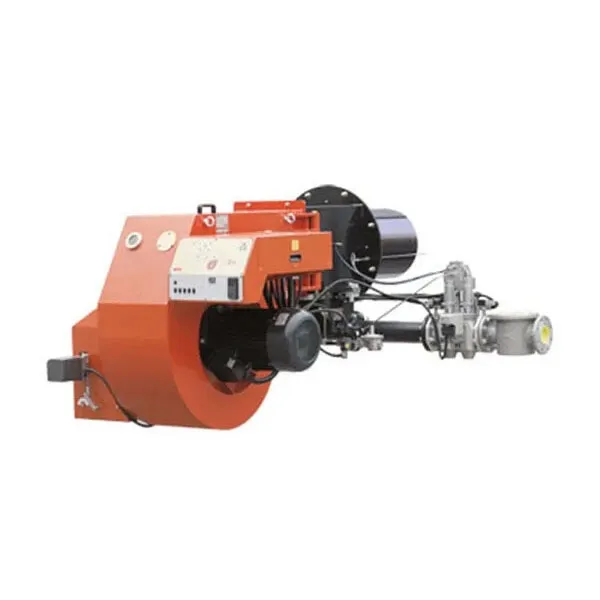
Even experienced operators can make errors during pump pressure adjustment. Avoid the following mistakes to ensure optimal performance:
Ignoring Manufacturer Recommendations: Each burner model has specific pressure requirements. Exceeding these limits can lead to nozzle damage or unsafe combustion.
Adjusting Pressure Without Monitoring Flame: Pressure adjustments should always be verified by observing the flame and checking emissions. Pressure alone does not guarantee efficient combustion.
Overlooking Maintenance Needs: Pump adjustments will not compensate for clogged nozzles, dirty fuel filters, or worn pump components. Ensure regular maintenance is performed in conjunction with pressure tuning.
Correctly adjusted oil burner pump pressure offers multiple operational and economic advantages:
Enhanced Fuel Efficiency: Proper atomization ensures complete combustion, reducing fuel waste.
Reduced Emissions: Accurate pressure adjustment minimizes soot and unburned hydrocarbons, supporting compliance with environmental standards.
Extended Equipment Lifespan: Correct pressure prevents undue stress on the nozzle, pump, and combustion chamber, lowering repair costs.
Consistent Heat Output: Stable pressure provides reliable and uniform heat, crucial for industrial processes sensitive to temperature fluctuations.
For large-scale industrial installations, pump pressure adjustment may involve additional considerations:
Variable Load Conditions: Some industrial processes require adjusting pressure based on fluctuating fuel demand. Using automated pressure controllers can maintain optimal performance under variable loads.
Integration with Burner Management Systems (BMS): Modern burners may include electronic sensors that monitor pressure and adjust automatically. Even with automation, manual verification remains important to prevent sensor drift.
Water Contamination and Fuel Quality: Impurities in fuel oil can affect pressure readings and combustion efficiency. Implement regular fuel filtration and water separation to maintain pump performance.
The industrial oil burner pump pressure adjustment guide highlights the importance of precise fuel delivery for efficient, safe, and cost-effective operation. By understanding the pump’s role, following proper adjustment procedures, and avoiding common mistakes, industrial operators can ensure optimal burner performance and compliance with safety and environmental standards. Regular monitoring, documentation, and preventive maintenance are essential for long-term success.
For industrial facilities seeking improved fuel efficiency, reduced emissions, and reliable heat output, mastering pump pressure adjustment is a key step. With careful attention to safety, manufacturer guidelines, and combustion performance, your oil burner system can operate at its highest potential, supporting both operational excellence and sustainability goals.
High Altitude Industrial Burner Performance: Adjustments for Thin Air
2026-10-12Biomass Industrial Burners: Wood Pellets vs Agricultural Waste for Steam
2026-10-05Industrial Burner Replacement: Key Specs to Match Your Furnace Design
2026-09-28Solving Cold Start Issues in Large Industrial Burners: Preheating Strategies
2026-09-21Address: Room 504, Building 11, Wuzhou International Industrial Expo City, Old National Highway 310, Xigong District, Luoyang City, Henan Province
E-mail: shuxin@sxburner.com
Phone: +86 15516359168
Take every customer request seriously.
Shuxin
Electromechanical
+86 15516359168
shuxin@sxburner.com
Room 504, Building 11, Wuzhou International Industrial Expo City, Old National Highway 310, Xigong District, Luoyang City, Henan Province
+86 15516359168
shuxin@sxburner.com
Room 504, Building 11, Wuzhou International Industrial Expo City, Old National Highway 310, Xigong District, Luoyang City, Henan Province