


Get A Quote
Gas burners are integral components in both industrial and commercial heating systems, powering everything from large-scale furnaces to kitchen appliances. The proper functioning of these burners relies heavily on the ignition electrode, a small yet critical part responsible for sparking and igniting the gas. Over time, however, ignition electrodes can wear out, accumulate soot, or suffer from electrical failure, resulting in delayed ignition, incomplete combustion, or even burner failure. Understanding how to safely replace these electrodes not only extends the lifespan of the equipment but also ensures operational safety and energy efficiency.
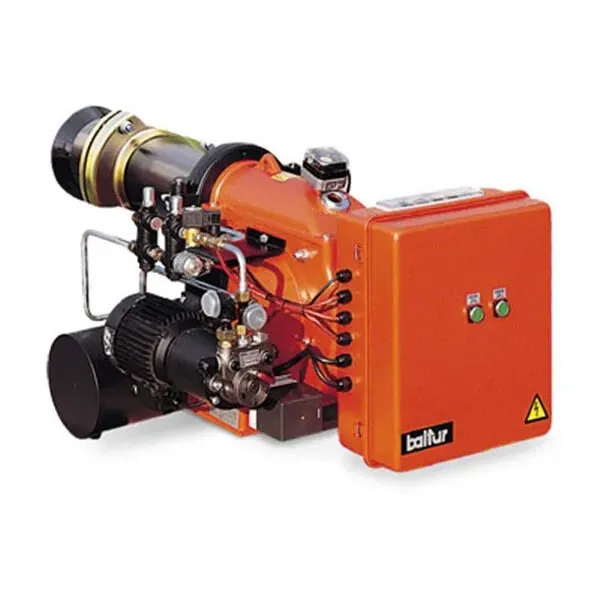
Ignition electrodes are designed to deliver high-voltage sparks that ignite the gas-air mixture inside a burner. When electrodes degrade, several problems can arise:
Delayed or Failed Ignition: A worn electrode may not produce a sufficient spark, causing ignition delays or repeated attempts.
Uneven Flame Distribution: Partial sparking can result in an uneven flame, leading to inefficient heating and increased fuel consumption.
Safety Hazards: Faulty ignition can cause gas accumulation in the combustion chamber, increasing the risk of flashbacks or explosions.
Equipment Damage: Prolonged malfunctioning can stress other burner components, including gas valves and control modules.
Replacing the electrode promptly ensures reliable ignition, enhances energy efficiency, and reduces maintenance costs over time.
Before diving into the replacement process, it’s important to recognize the early warning signs of a failing ignition electrode:
Persistent clicking sounds without ignition.
Visible carbon buildup or soot on the electrode tip.
Irregular or weak flame patterns.
Frequent burner shutdowns despite proper gas supply.
Corrosion or visible cracks on the ceramic insulator.
Recognizing these signs early allows for preemptive maintenance, avoiding operational interruptions and potential safety risks.
Tools and Safety Precautions
Replacing a gas burner ignition electrode requires careful attention to detail and adherence to safety protocols. The tools commonly required include:
A screwdriver set (flathead and Phillips)
Wrench or socket set for electrode mounting bolts
Multimeter for checking electrical continuity
Cleaning brush or cloth for electrode and burner maintenance
Safety gloves and goggles
Safety first: Always ensure the gas supply is turned off and the burner has cooled down before beginning any maintenance work. Working with live gas or a hot burner can lead to serious injuries. Ventilate the area properly and avoid any open flames nearby.
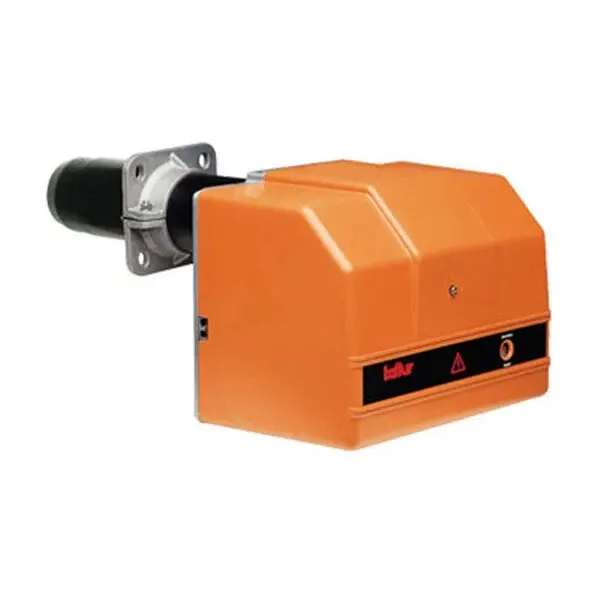
Step 1: Shut Down the Burner
Begin by turning off the main gas supply and allowing the burner to cool completely. This prevents accidental ignition and protects the electrode from heat damage during handling.
Step 2: Access the Ignition Electrode
Locate the ignition electrode, typically mounted near the burner’s gas outlet. Remove the burner cover or housing using the appropriate screwdriver or wrench. Take care to note the electrode’s orientation and wiring connections for correct reinstallation.
Step 3: Disconnect the Electrode
Gently disconnect the electrode wires, ensuring you do not damage the connectors. If necessary, label the wires to maintain the correct configuration during reassembly.
Step 4: Remove the Old Electrode
Unscrew the mounting bolts and carefully extract the electrode from its position. Inspect the surrounding burner components for wear, corrosion, or soot accumulation, which may also require cleaning or minor repairs.
Step 5: Install the New Electrode
Position the new ignition electrode in the same orientation as the old one. Secure it with mounting bolts, and reconnect the electrode wires precisely as they were attached previously. Ensure the electrode tip maintains the correct gap from the burner surface, as specified by the manufacturer, to guarantee optimal spark generation.
Step 6: Test the Ignition
After reinstalling the burner cover, turn on the gas supply and initiate the ignition cycle. Observe the spark and flame characteristics. The flame should ignite promptly and burn steadily, with no unusual flickering or delays. Use a multimeter to verify continuity if the burner fails to ignite immediately.
Step 7: Routine Maintenance
Regular cleaning and inspection of the ignition electrode can prevent premature wear. A simple wipe-down with a dry cloth and removal of carbon deposits every few months helps maintain consistent performance. Additionally, periodic checks for electrode gap and ceramic integrity prolong lifespan.
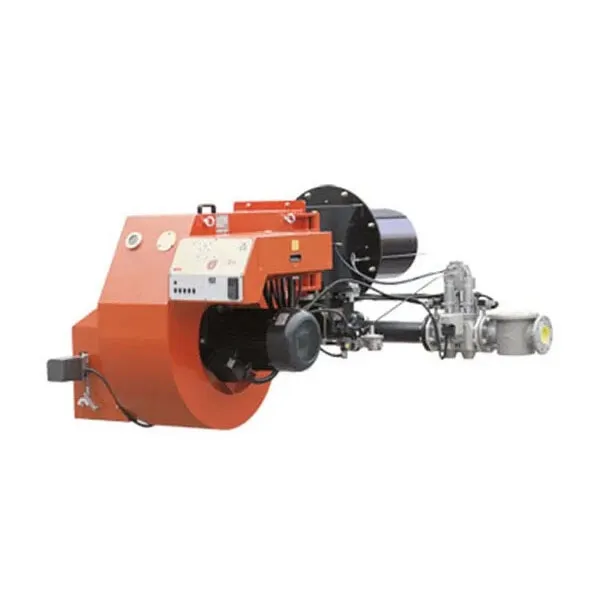
Avoid touching the ceramic insulator with bare hands, as oils from skin can cause premature deterioration.
Ensure proper alignment of the electrode to prevent misfiring.
Use only manufacturer-approved replacement electrodes to maintain safety certifications.
Keep the burner environment clean and free from excessive grease or dust, which can accumulate on electrodes and interfere with sparking.
Replacing a gas burner ignition electrode is a straightforward yet essential maintenance task that significantly affects burner performance, safety, and efficiency. By following the proper procedures, using the right tools, and adhering to safety measures, technicians and operators can ensure reliable ignition, reduce energy waste, and extend the service life of their burners. Regular inspection and preventive maintenance remain key strategies for avoiding unexpected downtime and maintaining optimal operation across commercial and industrial gas burner applications.
Taking a proactive approach to ignition electrode replacement not only safeguards equipment but also contributes to operational efficiency and long-term cost savings. Investing time in proper maintenance today ensures a smooth, safe, and reliable performance for years to come.
Address: Room 504, Building 11, Wuzhou International Industrial Expo City, Old National Highway 310, Xigong District, Luoyang City, Henan Province
E-mail: shuxin@sxburner.com
Phone: +86 15516359168
Take every customer request seriously.
Shuxin
Electromechanical
+86 15516359168
shuxin@sxburner.com
Room 504, Building 11, Wuzhou International Industrial Expo City, Old National Highway 310, Xigong District, Luoyang City, Henan Province
+86 15516359168
shuxin@sxburner.com
Room 504, Building 11, Wuzhou International Industrial Expo City, Old National Highway 310, Xigong District, Luoyang City, Henan Province