


Get A Quote
In modern industrial production, rotary kilns and high-temperature furnaces act as the backbone of thermal processing, calcination, and high-temperature chemical reactions. Their operational performance directly influences product quality, energy efficiency, and overall operational costs. At the heart of these systems lies the high-temperature gas burner, a critical component whose design, installation, and maintenance profoundly impact both performance and longevity. For engineers, plant managers, and decision-makers in industries ranging from cement and lime production to metal smelting and chemical processing, understanding the features, benefits, and best practices surrounding advanced gas burners is essential for achieving consistent and cost-effective results.
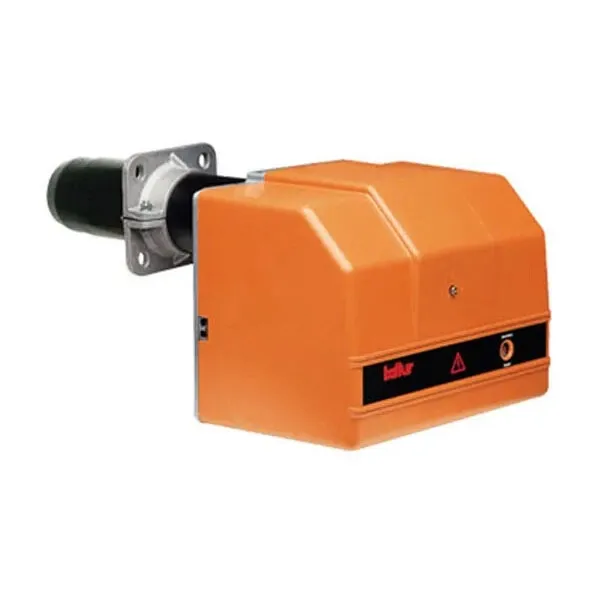
Rotary kilns are slightly inclined cylindrical vessels that rotate continuously to ensure uniform heat transfer and thorough mixing of materials during processing. The burner introduces fuel and combustion air, creating a high-temperature flame capable of reaching well above 1,500°C, depending on the specific material and processing requirements. The burner’s performance directly affects heat distribution, fuel efficiency, emission levels, and the avoidance of hot spots or uneven heating, which can compromise product integrity.
Modern high-temperature gas burners are engineered to provide precise flame control, stable combustion, and optimal heat transfer even under extreme conditions. Factors such as flame shape, length, and temperature uniformity must be tailored to each kiln or furnace. For instance, cement production requires a long, evenly distributed flame to ensure complete calcination of raw materials, whereas metal smelting demands a high-intensity, concentrated flame to rapidly achieve melting temperatures in targeted zones. The design of the burner, therefore, is not just a technical choice but a decisive factor in overall process efficiency.
Over recent years, burner technology has evolved significantly, offering tangible benefits for industrial operations:
1. Superior Combustion Efficiency:
Advanced burners achieve near-complete combustion, reducing unburned hydrocarbons and fuel waste. This efficiency translates directly into cost savings and a reduced environmental footprint, crucial for industries facing stringent emissions standards.
2. Consistent Temperature Profiles:
High-performance burners maintain a stable thermal environment throughout the kiln or furnace, minimizing thermal gradients that could lead to cracking, warping, or inconsistent material properties. This uniformity ensures higher product quality and reduces material losses.
3. Reduced Emissions:
Modern burners incorporate low-NOx designs, staged fuel injection, and preheated combustion air to minimize harmful emissions. This capability not only aligns with regulatory compliance but also demonstrates corporate commitment to sustainable operations.
4. Adaptability to Fuel Variations:
Top-tier burners accommodate multiple fuel types, from natural gas and propane to industrial byproducts, allowing plants flexibility in fuel sourcing without compromising performance. Adjustable flame length and shape further optimize processing across different materials.
5. Operational Reliability:
Constructed with high-alloy steels and advanced ceramic linings, contemporary burners withstand extreme temperatures and abrasive flue gases, reducing unplanned downtime and lowering maintenance demands. Durability is central to maximizing lifespan and operational ROI.
Selecting and installing a high-temperature gas burner requires thorough evaluation of multiple factors:
Kiln or Furnace Dimensions:
The vessel’s diameter, length, and rotational speed influence flame penetration and heat distribution. Burners that are undersized or improperly designed may create cold zones or uneven heating, negatively affecting product quality.
Material Characteristics:
Each material has unique thermal conductivity, moisture content, and chemical reactivity. Burners must be matched to these properties to ensure complete processing while minimizing energy consumption.
Fuel Supply and Quality:
Variations in fuel composition, calorific value, or supply stability can significantly affect combustion efficiency. Choosing a burner compatible with available fuels ensures consistent operation and prevents performance fluctuations.
Maintenance Accessibility:
Burners require regular inspection and cleaning to prevent nozzle clogging, refractory degradation, and flame instability. Designs that allow easy access to components and modular replacement enhance long-term operational efficiency.
Integration with Automation and Controls:
Modern kilns and furnaces increasingly rely on automated control systems to monitor temperature, fuel flow, and combustion air. Burners compatible with digital control systems enable precise, real-time adjustments, improving both efficiency and safety.
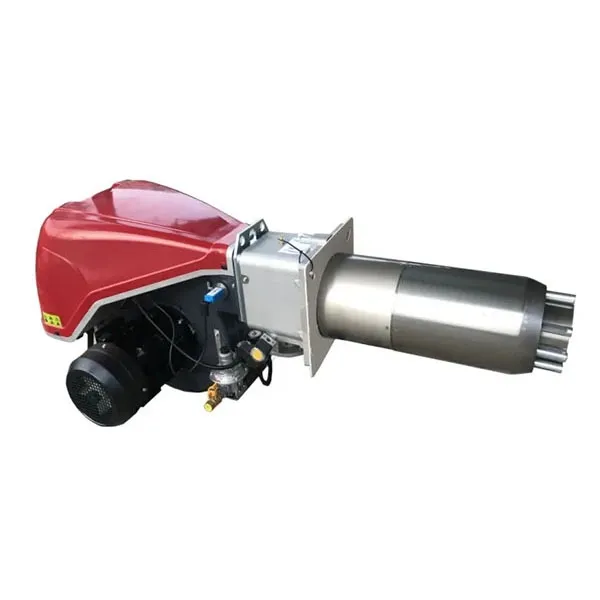
Even the most sophisticated burners cannot perform optimally without routine maintenance and careful operational oversight. Recommended practices include:
Routine Inspection: Check for corrosion, erosion, or refractory damage to prevent minor issues from escalating into costly repairs.
Calibration of Air-Fuel Ratio: Maintain the correct stoichiometric ratio to ensure efficient combustion and minimize emissions.
Flame Monitoring: Utilize infrared or optical sensors to detect flame anomalies, ensuring stable and consistent heat delivery.
Scheduled Cleaning: Remove soot, ash, and slag deposits from nozzles and flame paths to maintain performance and prevent uneven heating.
Operator Training: Equip staff with thorough knowledge of startup, shutdown, and emergency procedures to safeguard both personnel and equipment.
High-temperature gas burners are far more than auxiliary equipment—they are central to the efficiency, reliability, and sustainability of rotary kiln and furnace operations. Investing in modern burner technology, combined with meticulous maintenance and skilled operation, allows industries to optimize energy consumption, enhance product quality, reduce emissions, and extend equipment lifespan.
For companies operating in cement production, metal processing, chemical manufacturing, or any high-temperature industrial sector, careful selection, proper installation, and proactive maintenance of high-performance burners can yield substantial long-term benefits. By recognizing burners as strategic components rather than secondary tools, plants can achieve a higher level of operational excellence, reduce production costs, and strengthen their competitive position in an increasingly sustainability-focused market.
Remote Monitoring for Industrial Burners: Alerts That Prevent Downtime
2026-10-19High Altitude Industrial Burner Performance: Adjustments for Thin Air
2026-10-12Biomass Industrial Burners: Wood Pellets vs Agricultural Waste for Steam
2026-10-05Industrial Burner Replacement: Key Specs to Match Your Furnace Design
2026-09-28Address: Room 504, Building 11, Wuzhou International Industrial Expo City, Old National Highway 310, Xigong District, Luoyang City, Henan Province
E-mail: shuxin@sxburner.com
Phone: +86 15516359168
Take every customer request seriously.
Shuxin
Electromechanical
+86 15516359168
shuxin@sxburner.com
Room 504, Building 11, Wuzhou International Industrial Expo City, Old National Highway 310, Xigong District, Luoyang City, Henan Province
+86 15516359168
shuxin@sxburner.com
Room 504, Building 11, Wuzhou International Industrial Expo City, Old National Highway 310, Xigong District, Luoyang City, Henan Province