


Get A Quote
In modern industrial production, gas burners are widely used across multiple sectors—including metallurgy, chemical processing, food manufacturing, ceramics production, and the energy industry—due to their efficient, precise, and controllable heating capabilities. However, gas burners involve high-temperature environments, combustible gases, and complex control systems, where any operational error can lead to equipment damage or safety incidents. Therefore, enterprises must prioritize burner safety protocols, routine maintenance, and management systems to ensure production safety and long-term stable equipment operation.
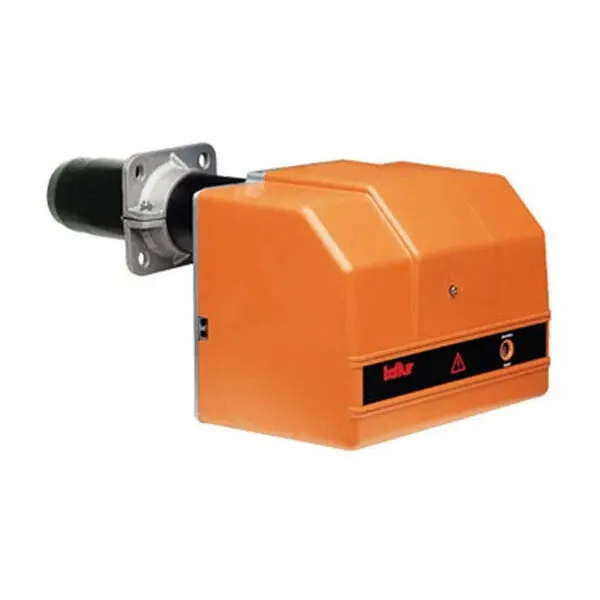
This article will delve into the operational safety essentials of industrial gas burners from multiple perspectives—including pre-operation checks, startup and shutdown procedures, flame monitoring, daily maintenance, and personnel training—to help enterprises enhance safety management standards and production efficiency.
The safe operation of gas burners begins with pre-operation inspections. Operators must conduct thorough checks of the burner and related systems to ensure a secure operating environment and proper condition of all components. Specific checks include:
Gas Piping and Valve Inspection: Verify gas pipelines are leak-free, connections are securely fastened, and valves operate smoothly without resistance. Gas leaks pose significant industrial safety risks and must be validated using gas detectors or soap-water testing.
Ignition System and Control Devices: Inspect automatic ignition devices, electrodes, flame detectors, and control systems for integrity to prevent gas accumulation or flashback accidents caused by ignition failures.
Internal burner cleaning: Ensure no debris clogs nozzles, combustion heads, or air passages, maintaining uniform gas injection and stable flames. Carbon deposits or foreign objects impair combustion efficiency and may cause localized overheating or flameout/flashback.
Gas pressure and air supply: Verify gas pressure meets equipment specifications while ensuring adequate airflow. Excessively high or low gas pressure may cause unstable combustion or abnormal flames.
Systematic pre-operation checks reduce accident risks at the source, ensuring stable burner operation while lowering equipment maintenance costs and minimizing production downtime for businesses.
The startup and shutdown procedures for industrial gas burners directly impact production safety and equipment lifespan. Standard operating steps are as follows:
Pre-Startup Preparation: Activate the exhaust system first to ensure adequate air circulation in the combustion area. Simultaneously inspect the burner vicinity for flammable materials.
Ignition Operation: Sequentially open gas valves and ignite the burner using manual or automatic ignition devices. Closely observe flame status during ignition to confirm stable, normal-colored flames (typically blue or pale yellow) without extinguishing or black smoke emission.
Operation Monitoring: After burner startup, regularly monitor flame morphology and equipment status to promptly detect anomalies.
Safe Shutdown: When shutting down the burner, first cut off the gas supply, then turn off the fan and auxiliary equipment. Ensure residual gas inside the burner is safely vented to prevent flashbacks or explosions.
A scientifically designed startup and shutdown process not only reduces safety risks but also enhances the long-term operational stability of the burner and related equipment, minimizing maintenance frequency.
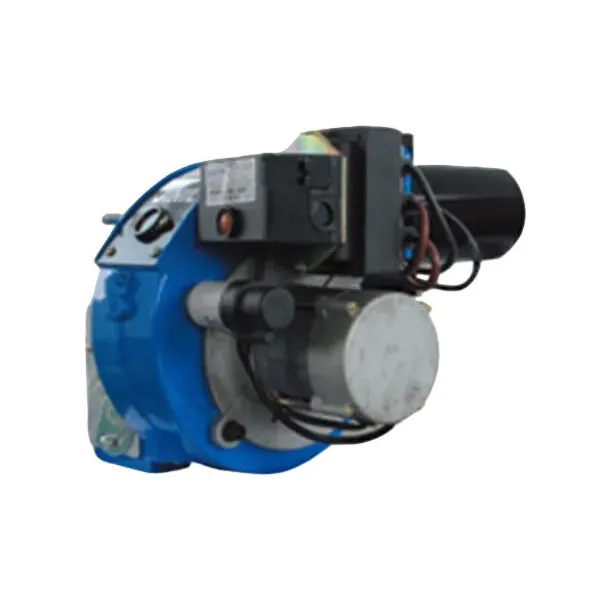
In industrial production, flame shape and color serve as critical indicators of combustion status. Operators must master flame identification techniques:
Stable Flame: A blue or faint yellow flame that is uniform and free of flickering indicates complete gas combustion.Abnormal Flame: Flame trembling, extinguishing, or emitting black smoke may result from unstable gas pressure, nozzle blockage, or insufficient air supply.
Upon detecting flame abnormalities, immediately shut down operations per emergency protocols and inspect gas supply, air ratio, nozzles, and electrical control systems. Enterprises may install flame monitoring systems to enable automatic alarms and data logging, enhancing anomaly response efficiency.
The safe operation of gas burners relies not only on proper operating procedures but also on scientific maintenance management. Enterprises should establish institutionalized maintenance and inspection processes, including:
Regular Cleaning: Clean nozzles, combustion heads, pipelines, and air passages to ensure uniform gas injection.
Wear Part Replacement: Regularly replace components subject to wear and tear.
System Calibration: Periodically calibrate pressure, flow rate, and flame sensors to guarantee accurate and reliable burner operating parameters.
Inspection Logging: Maintain a maintenance log documenting each service, repair, and anomaly to provide data support for enterprise safety management.
Scientific maintenance management not only reduces failure rates but also enhances burner efficiency and production continuity, saving energy costs for enterprises.
Industrial gas burners involve hazardous factors such as high temperatures, high pressures, and combustible gases. Operators must possess specialized knowledge and skills. Enterprises should establish systematic training and safety management systems:
Professional Training: Train operators on equipment structure, operating procedures, flame recognition, and emergency response.
Safety Standards: Develop operating manuals, inspection protocols, and safety operation standards to ensure compliance by all employees.
Emergency Drills: Conduct regular fire and gas leak drills to enhance employee response speed and handling capabilities.
Continuous Monitoring: Ensure safety protocols are implemented through management systems and on-site inspections.
Through comprehensive training and management systems, enterprises can embed safety awareness into every operational step, achieving a three-pronged safety assurance encompassing “people, equipment, and processes.”

Beyond safety, modern industrial gas burners play a vital role in energy conservation and environmental protection. Efficient burner designs reduce gas consumption and carbon emissions while optimizing thermal efficiency in production, lowering energy costs for enterprises. When selecting burners, companies should prioritize energy-efficient products and intelligent control systems to achieve dual benefits in safety and environmental stewardship.
While industrial gas burners are technologically mature, they involve high temperatures, pressures, and combustible gases, making safety risks undeniable. Through systematic pre-operation checks, standardized start-up and shutdown procedures, flame monitoring, regular maintenance, and professional training management, enterprises can not only ensure production safety but also extend equipment lifespan and enhance production efficiency. Simultaneously, the energy-saving and environmental advantages of modern burners provide enterprises with cost and brand advantages in intense market competition.
Safety in production is no trivial matter; scientific management and standardized operation are central to the secure operation of industrial gas burners. Enterprises should comprehensively enhance safety management across equipment, processes, and personnel to create an efficient, safe, and green industrial production environment.
High Altitude Industrial Burner Performance: Adjustments for Thin Air
2026-10-12Biomass Industrial Burners: Wood Pellets vs Agricultural Waste for Steam
2026-10-05Industrial Burner Replacement: Key Specs to Match Your Furnace Design
2026-09-28Solving Cold Start Issues in Large Industrial Burners: Preheating Strategies
2026-09-21Address: Room 504, Building 11, Wuzhou International Industrial Expo City, Old National Highway 310, Xigong District, Luoyang City, Henan Province
E-mail: shuxin@sxburner.com
Phone: +86 15516359168
Take every customer request seriously.
Shuxin
Electromechanical
+86 15516359168
shuxin@sxburner.com
Room 504, Building 11, Wuzhou International Industrial Expo City, Old National Highway 310, Xigong District, Luoyang City, Henan Province
+86 15516359168
shuxin@sxburner.com
Room 504, Building 11, Wuzhou International Industrial Expo City, Old National Highway 310, Xigong District, Luoyang City, Henan Province