


Get A Quote
Industrial oil burners are crucial for manufacturing plants, processing facilities, and large heating systems. They provide reliable heat and power, but without proper care, these burners can experience reduced efficiency, increased fuel consumption, and unexpected downtime. A structured maintenance program ensures your equipment operates safely, efficiently, and within environmental standards—while also lowering operational costs.
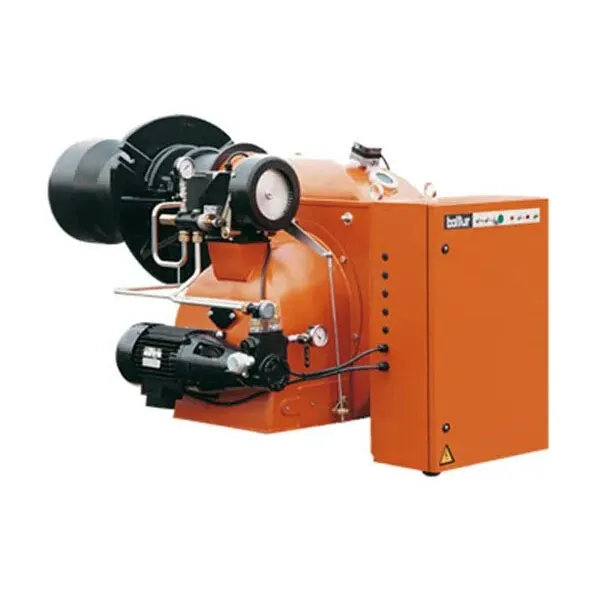
Neglecting routine maintenance can have significant consequences for both operational efficiency and costs. Some of the most common issues include:
1. Reduced Efficiency
Over time, soot and residue accumulate on the nozzle, combustion chamber, and electrodes, impairing fuel atomization. This leads to incomplete combustion, lower heat output, and wasted energy.
2. Higher Fuel Expenses
An inefficient burner consumes more oil to achieve the same production output, directly increasing operational costs.
3. Risk of Mechanical Failures
Critical components like pumps, motors, igniters, and valves can wear prematurely without regular inspection, leading to unplanned downtime and expensive repairs.
4. Environmental Compliance Risks
Burners that are poorly maintained emit higher levels of smoke, carbon particles, and other pollutants. Facilities may face fines or violations if emissions exceed regulatory limits.
A structured maintenance program ensures your burners operate efficiently, safely, and in compliance with environmental standards, protecting both your budget and your facility.
1. Routine Cleaning
Residue buildup on nozzles, electrodes, and combustion chambers reduces performance over time.
Frequency: Monthly for heavy-use systems, quarterly for moderate use.
Method: Use soft brushes and non-abrasive cleaning agents; avoid harsh chemicals that could damage components.
Benefit: Maintains optimal fuel atomization and stable heat output.
2. Monitor and Maintain Fuel Quality
Fuel contamination is a major cause of burner inefficiency.
Inspection: Check for water, sludge, or particulate matter in the oil.
Action: Replace filters regularly and use high-quality, clean fuel.
Outcome: Prevents clogs, corrosion, and uneven combustion.
3. Inspect Ignition Components
Ignition failure can lead to delayed startups, flame failure, or dangerous backfires.
Components to Check: Electrodes, transformers, ignition cables.
Maintenance Tip: Ensure correct electrode gap and alignment, and replace worn parts promptly.
4. Monitor Flame Quality and Combustion
A consistent flame is an indicator of efficient operation.
Observation: A steady blue flame signifies proper combustion; yellow or irregular flames indicate air-fuel imbalance.
Adjustment: Calibrate burners and adjust air-fuel ratios as needed for optimal efficiency.
5. Lubricate and Tighten Mechanical Parts
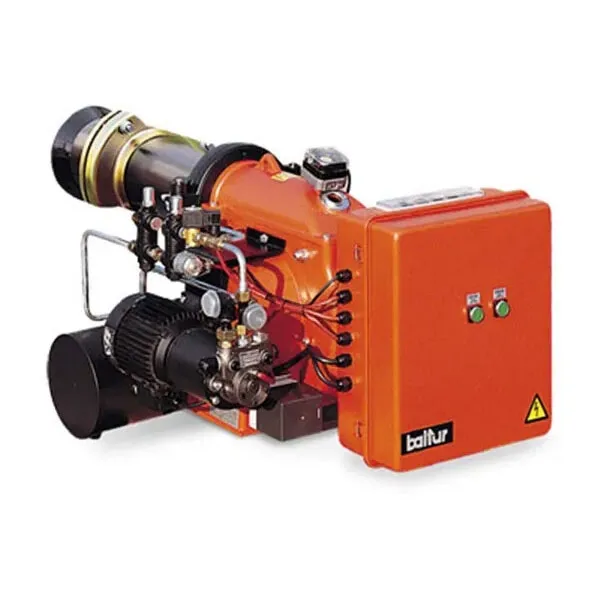
Moving parts like pumps, motors, and linkages require attention to prevent wear and tear.
Lubrication: Apply manufacturer-recommended lubricants to bearings and gears.
Tightening: Secure all bolts and connections to avoid mechanical failures.
Impact: Reduces vibration, prevents breakdowns, and extends component life.
6. Schedule Professional Inspections
Even with diligent in-house care, professional servicing is essential.
Annual Checks: Certified technicians can inspect safety controls, pressure settings, fuel lines, and combustion efficiency.
Benefit: Detect subtle issues before they escalate into costly repairs, ensuring uninterrupted operation.
Implementing a structured maintenance program provides multiple advantages:
Extended Equipment Lifespan: Prevents premature wear, keeping burners reliable for years.
Reduced Operational Costs: Efficient combustion minimizes fuel waste and lowers energy bills.
Improved Safety: Well-maintained burners reduce the risk of fires, leaks, and hazardous emissions.
Regulatory Compliance: Routine inspections help facilities meet environmental and safety standards without penalties.
Facilities that adopt a proactive maintenance approach often experience fewer unplanned shutdowns and smoother production cycles, resulting in measurable cost savings.
Industrial oil burners are critical to operational efficiency, cost control, and workplace safety. A structured maintenance program—including cleaning, fuel monitoring, ignition checks, flame assessment, mechanical lubrication, and professional inspection—ensures reliable performance and maximizes equipment lifespan. By prioritizing maintenance, businesses not only reduce operational costs but also maintain safer, more sustainable operations. Investing time and resources in proper care is a small price to pay for long-term efficiency and peace of mind.
Industrial Oil Burner Buying Guide for Plant Managers
2026-10-26Remote Monitoring for Industrial Burners: Alerts That Prevent Downtime
2026-10-19High Altitude Industrial Burner Performance: Adjustments for Thin Air
2026-10-12Biomass Industrial Burners: Wood Pellets vs Agricultural Waste for Steam
2026-10-05Address: Room 504, Building 11, Wuzhou International Industrial Expo City, Old National Highway 310, Xigong District, Luoyang City, Henan Province
E-mail: shuxin@sxburner.com
Phone: +86 15516359168
Take every customer request seriously.
Shuxin
Electromechanical
+86 15516359168
shuxin@sxburner.com
Room 504, Building 11, Wuzhou International Industrial Expo City, Old National Highway 310, Xigong District, Luoyang City, Henan Province
+86 15516359168
shuxin@sxburner.com
Room 504, Building 11, Wuzhou International Industrial Expo City, Old National Highway 310, Xigong District, Luoyang City, Henan Province