


Get A Quote
Industrial burners are the backbone of numerous manufacturing processes, from steel and chemical production to power generation and food processing. Their efficiency directly affects fuel costs, operational reliability, and compliance with environmental regulations. Improving combustion efficiency isn’t just about saving energy—it’s also about increasing safety, reducing maintenance, minimizing emissions, and prolonging equipment life. This guide provides actionable, industry-tested strategies to help companies optimize burner performance.
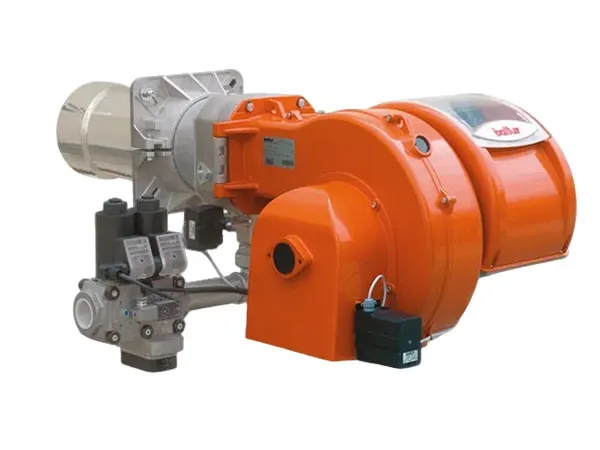
Efficient combustion occurs when fuel burns completely, producing maximum heat with minimal waste. Incomplete combustion leads to energy losses, soot buildup, and harmful emissions such as carbon monoxide (CO) and unburned hydrocarbons. Understanding the basics helps operators pinpoint inefficiencies:
Air-to-Fuel Ratio: Both excess and insufficient air can harm efficiency. Excess air cools the flame and wastes energy, while insufficient air produces CO and soot, reducing heat output.
Fuel Quality: Moisture, impurities, and calorific value affect flame stability. For example, high-moisture fuel may cause flame quenching, while contaminated fuels increase deposits and nozzle clogging.
Burner Design: The type and geometry of the burner dictate how air and fuel mix. Swirl burners, staged burners, or low-NOx burners are designed to improve mixing and heat transfer, increasing combustion efficiency.
Practical Tip: Document your burner’s baseline air-fuel ratios and fuel properties. Regularly compare actual flame behavior with design expectations to catch deviations early.
Proper mixing of air and fuel is critical for achieving high combustion efficiency. Uneven mixing can lead to cold spots, incomplete combustion, and increased emissions. Steps to optimize mixing include:
Calibrate Primary and Secondary Air: Adjust airflow to match load conditions. For example, in a steel reheating furnace, secondary air adjustments can reduce CO emissions by 10–15%.
Maintain Fuel Nozzles: Inspect and clean fuel nozzles regularly. Misaligned or partially clogged nozzles cause irregular flame patterns and reduce efficiency.
Observe Flame Patterns: A stable, blue flame indicates efficient combustion, while yellow tipping or flickering suggests poor air-fuel mixing.
Advanced Techniques:
Swirl Burners introduce rotational airflow to enhance turbulence and mixing.
Staged Combustion injects air or fuel in stages to reduce NOx formation while improving efficiency.
Even the best burners lose efficiency over time due to soot buildup, corrosion, and mechanical wear. A preventive maintenance program is essential:
Daily Checks: Inspect flame appearance, listen for unusual noises, and monitor fuel pressure.
Weekly Cleaning: Remove soot from burner tips, clean air inlets, and check for scale deposits in fuel lines.
Periodic Replacement: Replace electrodes, gaskets, or worn nozzles as per manufacturer recommendations.
Sensor Calibration: Ensure oxygen, temperature, and pressure sensors are accurate, as even small errors can affect combustion efficiency.
Case Example: A chemical plant reduced fuel consumption by 7% after implementing a weekly burner cleaning schedule and replacing aging nozzles.
Automation can dramatically improve burner efficiency by maintaining optimal combustion conditions in real time. Modern control systems include:
O₂ Trim Controls: Monitor oxygen in flue gases and adjust air supply to maintain ideal combustion.
Modulating Fuel-Air Controllers: Adjust fuel and air ratios dynamically based on load or process conditions.
Predictive Maintenance Tools: Some systems use historical flame and temperature data to predict component wear or detect inefficiencies before they impact operations.
Practical Insight: Integrating advanced control systems can reduce fuel waste by up to 5–10% while lowering NOx emissions, especially in processes with fluctuating loads.
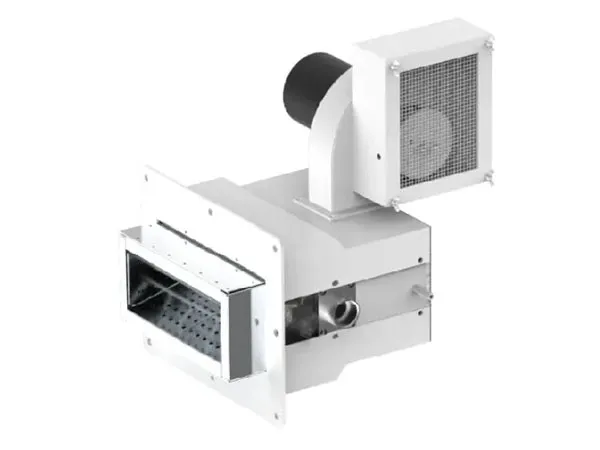
Efficiency improvement is an ongoing process. Systematic monitoring enables early detection of inefficiencies:
Flue Gas Analysis: Regularly measure oxygen, CO, and NOx levels to assess combustion quality.
Thermal Imaging: Identify uneven heat distribution or hot/cold spots in furnaces.
Energy Management Software: Track fuel consumption trends, identify anomalies, and benchmark performance across multiple burners or facilities.
Pro Tip: Maintain a log of all adjustments, maintenance, and monitoring data. Over time, this creates a valuable knowledge base for process optimization.
Efficiency is not only about equipment—it’s also about how burners are operated:
Avoid frequent on-off cycling of burners, which can lead to incomplete combustion and thermal stress.
Train operators to recognize flame patterns and make minor adjustments proactively.
Align burner operation schedules with production loads to avoid over-firing during low-demand periods.
Maximizing industrial burner combustion efficiency requires a combination of technical knowledge, disciplined maintenance, advanced controls, and continuous monitoring. Companies that commit to these practices can expect:
Reduced fuel costs and energy consumption
Lower emissions and improved environmental compliance
Longer equipment life and reduced downtime
Greater process reliability and operational control
Efficiency is a long-term commitment, not a one-time effort. By integrating scientific principles with practical operational strategies, manufacturers can achieve sustainable performance, cost savings, and a competitive edge in their industries.
Industrial Oil Burner Buying Guide for Plant Managers
2026-10-26Remote Monitoring for Industrial Burners: Alerts That Prevent Downtime
2026-10-19High Altitude Industrial Burner Performance: Adjustments for Thin Air
2026-10-12Biomass Industrial Burners: Wood Pellets vs Agricultural Waste for Steam
2026-10-05Address: Room 504, Building 11, Wuzhou International Industrial Expo City, Old National Highway 310, Xigong District, Luoyang City, Henan Province
E-mail: shuxin@sxburner.com
Phone: +86 15516359168
Take every customer request seriously.
Shuxin
Electromechanical
+86 15516359168
shuxin@sxburner.com
Room 504, Building 11, Wuzhou International Industrial Expo City, Old National Highway 310, Xigong District, Luoyang City, Henan Province
+86 15516359168
shuxin@sxburner.com
Room 504, Building 11, Wuzhou International Industrial Expo City, Old National Highway 310, Xigong District, Luoyang City, Henan Province