


Get A Quote
Industrial oil burners play a crucial role in manufacturing and processing industries, from heating large boilers to powering industrial furnaces. While their operation may seem complex to beginners, understanding their components, functions, and operation step by step can make them easy to grasp. This guide breaks down industrial oil burners in a clear and practical way.
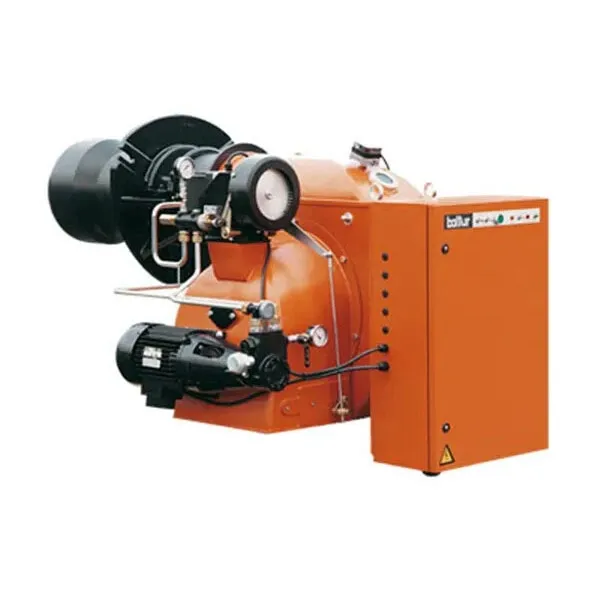
Every efficient industrial operation relies on reliable heat sources. Here’s why industrial oil burners matter:
Maximized Energy Output: Properly designed burners extract the most heat from every drop of fuel.
Consistent Performance: Stable flames ensure uninterrupted operations, minimizing downtime.
Cost Efficiency: Efficient fuel usage lowers operational expenses.
Environmental Compliance: Modern burners reduce emissions, helping your factory meet safety and environmental standards.
Choosing the right burner isn’t just about heat—it’s about efficiency, safety, and cost savings.
Each part of an industrial oil burner is designed to ensure efficient, reliable, and safe combustion:
Nozzle: Atomizes fuel oil into a fine mist, promoting complete combustion.
Burner Head: Where air and fuel mix to sustain combustion.
Fan/Blower: Supplies air at the correct pressure to stabilize the flame and optimize efficiency.
Control System: Electronic or electric systems regulate ignition, fuel flow, and safety mechanisms.
Together, these components maximize heat output while minimizing fuel wastage and harmful emissions.
Efficiency is all about the perfect mix:
Fuel Injection: Atomizes oil into tiny droplets for better combustion.
Air Mixing: Fan ensures the optimal air-to-fuel ratio.
Ignition: Spark or pilot flame starts the combustion instantly.
Sustained Heat: Continuous fuel and air flow maintain stable, reliable flames.
Smart mixing means more energy, less soot, and cleaner emissions—translating directly into savings.
Operating an Industrial Oil Burner Safely and Efficiently
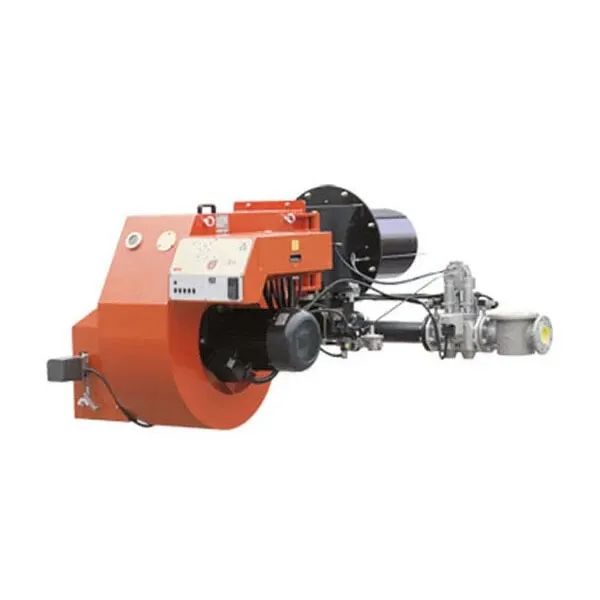
Startup: Inspect for leaks, activate the control system, and ignite the burner.
Adjust Efficiency: Monitor flame and temperature; adjust fuel and air for optimal combustion.
Shutdown: Follow cooling procedures and close fuel valves before maintenance.
Efficient operation not only saves fuel but also ensures a safer working environment.
Handling flammable fuels requires strict adherence to safety protocols:
Fire Prevention: Keep flammable materials away from the burner area.
Explosion Prevention: Inspect fuel lines, nozzles, and control systems regularly.
Routine Inspections: Maintain fans, sensors, and burners to avoid malfunctions.
Protective Equipment: Operators must wear appropriate safety gear.
Following safety guidelines minimizes risks and ensures compliance with industrial safety standards.
The entire process is managed by an automated burner control system or sequence controller to ensure safety and efficiency.
1. Pre-cleaning (Safety Check)
The control system checks all safety interlocks (e.g., whether the pressure is appropriate, whether the airflow is sufficient).
The blower starts, forcing air into the combustion chamber and exhaust system to remove residual fuel vapors or combustion gases. This step is crucial to prevent the dangerous buildup of unburned fuel.
2. Ignition Device and Indicator Light
The ignition system (spark or igniter) starts, generating a heat source.
For the igniter: Ignition fuel (usually gas or a small amount of oil) is introduced and ignited.
3. Main Flame Establishment
The fuel pump delivers high-pressure fuel to the nozzle, where it is atomized into a fine spray.
The atomized fuel mixes with combustion air and is immediately ignited by the spark or ignition flame.
The flame scanner detects the presence of a stable main flame and signals the control system to continue operation.
Once the main flame stabilizes, the ignition source (spark or igniter) is typically shut off.
4. Operating Cycle (Modulation) The burner continues combustion to maintain the heat output required for industrial processes (such as heating a steam boiler).
The control system can automatically adjust the air damper and fuel flow to match the required heat load; this process is called regulation.
5. After Purge (Shutdown) When heat demand is met, the fuel supply is cut off (by closing the solenoid valve).
The blower continues to run for a short period (after purging) to ensure that all remaining combustion products and fuel residues in the combustion chamber are removed, preparing the burner for the next start-up.
Solving Cold Start Issues in Large Industrial Burners: Preheating Strategies
2026-09-21Industrial Burner Efficiency Ratings: What AFUE and Turndown Ratio Mean
2026-09-14Waste Oil Industrial Burners: Turning Used Lubricants into Free Heat
2026-09-07Industrial Burner Safety Systems: Flame Safeguard and Leak Detection Tips
2026-08-31Address: Room 504, Building 11, Wuzhou International Industrial Expo City, Old National Highway 310, Xigong District, Luoyang City, Henan Province
E-mail: shuxin@sxburner.com
Phone: +86 15516359168
Take every customer request seriously.
Shuxin
Electromechanical
+86 15516359168
shuxin@sxburner.com
Room 504, Building 11, Wuzhou International Industrial Expo City, Old National Highway 310, Xigong District, Luoyang City, Henan Province
+86 15516359168
shuxin@sxburner.com
Room 504, Building 11, Wuzhou International Industrial Expo City, Old National Highway 310, Xigong District, Luoyang City, Henan Province