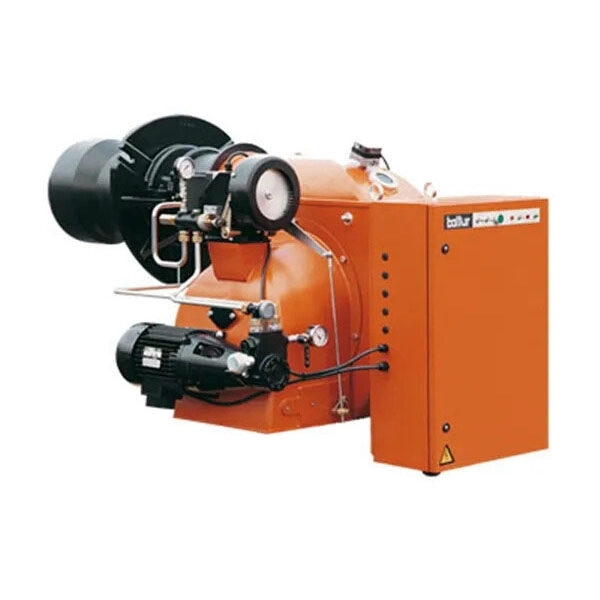
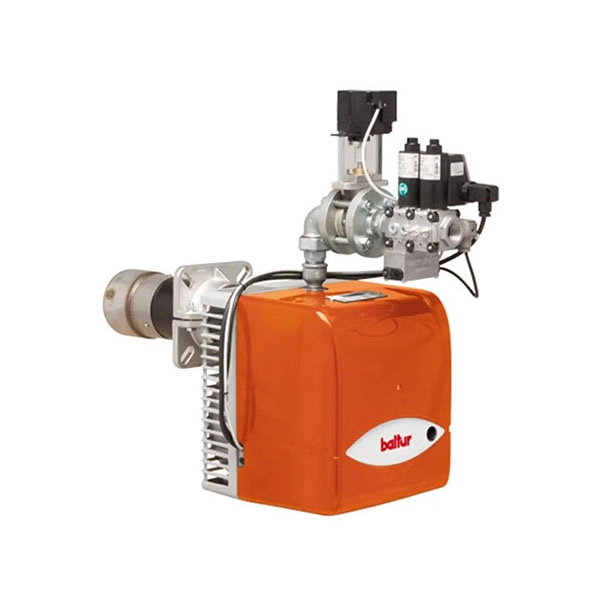
Industrial facilities increasingly require flexible firing solutions that can adapt to fluctuating fuel availability, pricing, and regulatory demands. Dual fuel industrial burners offer this capability, enabling seamless switching between natural gas and fuel oil within seconds—without interrupting production. For operations seeking energy reliability and operational continuity, these burners represent a strategic investment. SHUXIN, as a specialist in combustion technology, has engineered burners that combine rapid changeover with high thermal efficiency and low emissions. Understanding how these systems function and the advantages they provide is essential for procurement and engineering teams evaluating new burner installations or upgrades.
How Dual Fuel Burners Achieve Instant Fuel Switching
The core mechanism behind the rapid changeover lies in sophisticated valve automation and advanced control logic. A dual fuel burner from SHUXIN integrates multiple fuel metering valves, a single combustion chamber, and a programmable logic controller (PLC) that manages the transition sequence.
Fuel Circuit Design and Control Architecture
Each fuel type has its own dedicated supply line with independent safety shut-off valves, pressure regulators, and flow control valves. During operation, the burner typically runs on either gas or oil as the primary fuel. When the control system receives a switching command—either manually from an operator or automatically triggered by a fuel price signal or supply interruption—it initiates a pre-programmed sequence:
- The active fuel valve begins closing while the electronic controller adjusts the combustion airflow to maintain the required air-to-fuel ratio.
- Simultaneously, the inactive fuel valve opens incrementally, and the ignition system (often a dual-fuel igniter or pilot burner) ensures continuous flame presence.
- Within 2–5 seconds, the transition is complete, and the burner stabilizes at the new fuel throughput with minimal temperature or pressure fluctuation.
This design eliminates the need for burner shutdown, purging cycles, or manual reconfiguration—critical for processes such as power generation, cement kilns, and industrial steam boilers where downtime is costly.
Key Advantages Over Single-Fuel Burners
Comparing dual fuel industrial burners with single-fuel counterparts reveals clear operational and financial benefits. Below is a summary of the primary differences:
- Operational Continuity: Single-fuel burners halt production when the fuel supply is interrupted. Dual fuel models switch in seconds, keeping production running.
- Fuel Cost Optimization: Facilities can continuously monitor fuel spot prices and automatically shift to the cheaper fuel, reducing energy expenditure.
- Regulatory Compliance: Many regions impose emission limits that vary by fuel type. Dual fuel burners allow operators to burn lower-emission fuel during sensitive periods and switch when regulations permit.
- Backup Fuel Security: In case of natural gas pipeline restrictions or oil supply shortages, the burner simply alternates to the available fuel without additional storage equipment.
- Reduced Maintenance Downtime: With dual fuel capability, one fuel system can be serviced while the burner operates on the alternative fuel, extending overall uptime.
SHUXIN further enhances these advantages by integrating condition monitoring sensors that track valve status, pressure differentials, and flame quality in real time, enabling predictive maintenance and reducing unplanned outages.
Industrial Applications and Performance Metrics
Dual fuel burners from SHUXIN are deployed across a wide range of industries where reliability and flexibility are paramount:
Thermal Power Plants and CHP Systems
Combined heat and power (CHP) facilities rely on uninterrupted fuel supply. SHUXIN burners support capacities from 1 MW to over 50 MW, achieving switching times of less than 3 seconds. Field data indicates NOx emissions can be maintained below 30 ppm regardless of fuel, thanks to advanced staged combustion and flue gas recirculation technologies.
Cement and Lime Kilns
These processes require consistent flame shape and temperature profiles. SHUXIN's dual fuel burners incorporate adjustable swirl vanes and fuel lance positioning to maintain thermal uniformity during fuel transitions, preventing product quality issues.
Industrial Boiler Houses
For steam generation in chemical plants, refineries, and manufacturing facilities, the ability to switch fuels without boiler load reduction is critical. SHUXIN burners modulate fuel flow and air ratio automatically, achieving combustion efficiency above 98% on both gas and oil.
Why Select SHUXIN for Dual Fuel Burner Solutions
The market offers several dual fuel burner manufacturers, but SHUXIN differentiates through engineering expertise, customization, and long-term support. Each burner is designed to match the specific fuel characteristics, combustion chamber geometry, and emission targets of the client site.
Tailored Control Systems
SHUXIN provides PLC programming that interfaces with existing plant DCS or SCADA systems, enabling remote switching and data logging. The user interface is simplified, allowing operators to view fuel consumption, switching history, and emission trends at a glance.
Compliance and Certification
All SHUXIN dual fuel burners comply with international standards including EN 676, EN 267, and NFPA 85. Third-party tests confirm flame stability and safety during transitions, even under fluctuating gas pressure or oil viscosity conditions.
Lifecycle Cost Benefits
While the initial investment may be 20–30% higher than a single-fuel burner, the payback period often falls under 18 months due to fuel arbitrage opportunities and avoided downtime. SHUXIN offers service contracts that include annual performance audits and fast spare parts delivery through regional warehouses.
Making the Decision: Key Considerations for Buyers
When evaluating dual fuel industrial burners, procurement and plant managers should examine three primary criteria:
- Switchover Reliability: Request documented test results showing transition times and flame stability under varying load conditions. SHUXIN provides factory acceptance test (FAT) data for each burner model.
- Fuel Flexibility Range: Ensure the burner can handle the specific gas composition (e.g., low-BTU biogas or ethane-rich streams) and oil types (heavy fuel oil, diesel, kerosene) used at the site. SHUXIN designs fuel inlets and nozzles accordingly.
- Integration Complexity: Assess if the burner control system can interface with existing safety interlocks and combustion air fans. SHUXIN's modular design simplifies retrofitting into older boiler houses.
Investing in a dual fuel burner is a forward-looking choice that enhances energy security and operational flexibility. With SHUXIN's proven technology and industry-specific configurations, industries can achieve seamless fuel switching in seconds while maintaining emission compliance and reducing energy costs.
 English